


Hey there! As an Iv Set supplier, I've been getting a bunch of questions lately about using Iv Sets in kids. It's a super important topic, so I thought I'd share some insights and special instructions for this particular use case.
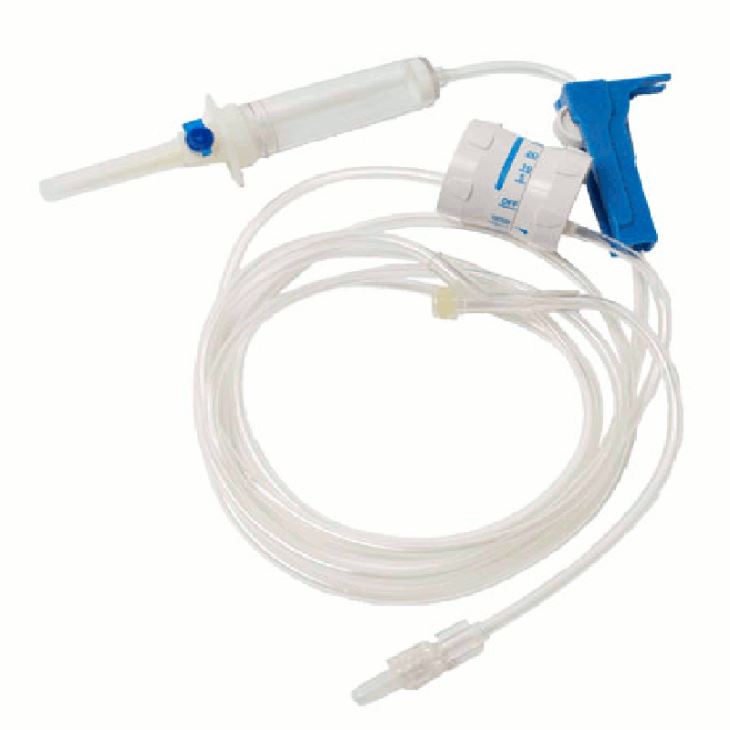
First off, let's talk about what an Iv Set is. An IV Administration Set is a medical device used to deliver fluids, medications, or nutrients directly into a patient's veins. It's a crucial tool in healthcare, and when it comes to children, there are some unique considerations.
Size Matters
One of the most significant differences when using an Iv Set in children is the size. Kids come in all shapes and sizes, and their veins are generally smaller and more delicate than adults'. That's why it's essential to choose the right size Iv Set. A smaller gauge needle is usually preferred for children to minimize discomfort and reduce the risk of vein damage. For infants and young children, a 24G or 26G needle might be appropriate, while older children may be able to tolerate a 22G needle.
Flow Rate Control
Another important aspect is controlling the flow rate. Children have different fluid requirements than adults, and it's crucial to ensure that the fluids are delivered at the right speed. Over - infusion can lead to fluid overload, which can be especially dangerous for kids. Most Iv Sets come with a flow regulator that allows healthcare providers to adjust the flow rate. It's important to follow the doctor's orders precisely when setting the flow rate for a child. Some Iv Sets also have additional features like a burette, which can be used to measure and control the volume of fluid being infused more accurately.
Site Selection
Choosing the right insertion site is also key when using an Iv Set in children. The most common sites for IV insertion in children are the hands, feet, and scalp (especially in infants). The scalp veins are often used in very young children because they are more accessible and less likely to be damaged during movement. However, the hands and feet are also popular choices as they are easier to monitor. When selecting a site, it's important to avoid areas with previous IV insertions, as these may be more prone to infection or thrombosis.
Preparation and Insertion
Before inserting the Iv Set, it's essential to prepare the child and the site properly. This includes cleaning the insertion site with an antiseptic solution to reduce the risk of infection. It's also a good idea to distract the child during the procedure to minimize stress and anxiety. This can be done by using toys, books, or other forms of entertainment. When inserting the Iv Set, it's important to be gentle and precise to avoid causing unnecessary pain or trauma to the child.
Monitoring
Once the Iv Set is in place, continuous monitoring is crucial. This includes checking the insertion site regularly for signs of infection, infiltration (leakage of fluid into the surrounding tissue), or phlebitis (inflammation of the vein). It's also important to monitor the child's vital signs, such as heart rate, blood pressure, and respiratory rate, to ensure that they are tolerating the infusion well. If any problems are detected, the Iv Set may need to be removed or adjusted immediately.
Special Considerations for Blood Transfusions
If a child needs a blood transfusion, using a Blood Transfusion Set is necessary. Blood transfusions in children require even more careful monitoring and preparation. The blood needs to be matched correctly to the child's blood type to avoid a transfusion reaction. The flow rate of the blood transfusion also needs to be carefully controlled, as too rapid a transfusion can cause problems such as circulatory overload.
Safety Precautions
Safety is always a top priority when using an Iv Set in children. It's important to use disposable Iv Sets to reduce the risk of cross - infection. After use, the Iv Set should be disposed of properly according to medical waste disposal guidelines. Healthcare providers should also follow strict hand hygiene protocols before and after handling the Iv Set to prevent the spread of germs.
Compatibility with Medications
When using an Iv Set to administer medications to children, it's important to ensure that the Iv Set is compatible with the medications being used. Some medications may react with the materials in the Iv Set, leading to reduced effectiveness or even the formation of precipitates. It's always a good idea to check the medication's prescribing information and consult with a pharmacist if there are any concerns about compatibility.

Training and Education
Proper training and education are essential for healthcare providers who are responsible for using Iv Sets in children. They need to be familiar with the special instructions and considerations for pediatric IV therapy. This includes training on site selection, insertion techniques, flow rate control, and monitoring. Regular in - service training can help ensure that healthcare providers are up - to - date on the latest best practices for using Iv Sets in children.
Role of Parents
Parents also play an important role in the process. They can help comfort their child during the IV insertion and monitoring process. It's important to keep parents informed about the procedure, the expected duration of the IV therapy, and any potential complications. Parents can also assist in observing the child for any signs of discomfort or problems and report them to the healthcare provider.
In conclusion, using an Iv Set in children requires special attention to detail and a thorough understanding of the unique considerations involved. As an Iv Set supplier, we are committed to providing high - quality products that meet the specific needs of pediatric patients. Our IV Administration Set and Blood Transfusion Set are designed with features that make them suitable for use in children, such as small - gauge needles, accurate flow regulators, and safe materials.
If you're a healthcare provider or a medical facility looking for reliable Iv Sets for pediatric use, we'd love to talk to you. We can provide you with more information about our products and how they can meet your specific requirements. Contact us to start a procurement discussion, and let's work together to ensure the best care for children receiving Intravenous Infusion.
References
- Kliegman, R. M., Stanton, B. F., St. Geme, J. W., Schor, N. F., & Behrman, R. E. (2016). Nelson Textbook of Pediatrics. Elsevier.
- American Academy of Pediatrics. (2019). Pediatric Advanced Life Support Provider Manual. American Academy of Pediatrics.
- INS (Infusion Nurses Society). (2016). Infusion Nursing Standards of Practice. Journal of Infusion Nursing, 39(Suppl 1), S1 - S159.


