


As a supplier of surgical tapes, I've encountered numerous inquiries regarding the special packaging requirements for these essential medical products. Surgical tapes are widely used in the medical field for various purposes, such as wound dressing, securing medical devices, and providing support. Ensuring proper packaging is crucial to maintain the quality, safety, and effectiveness of these tapes. In this blog, I'll delve into the key aspects of special packaging requirements for surgical tapes.
Preservation of Sterility
One of the most critical packaging requirements for surgical tapes is the preservation of sterility. Surgical tapes are often used in sterile environments, such as operating rooms and wound care settings. Therefore, the packaging must be designed to prevent contamination and maintain the sterility of the tape until it is ready for use.
- Barrier Properties: The packaging material should have excellent barrier properties to protect the tape from microorganisms, dust, and other contaminants. Common materials used for sterile packaging include medical-grade plastics, such as polyethylene and polypropylene, as well as aluminum foil laminates. These materials provide a physical barrier that prevents the entry of external contaminants while allowing the tape to remain breathable.
- Sealing Integrity: Proper sealing of the packaging is essential to maintain sterility. The packaging should be sealed using methods such as heat sealing or adhesive sealing to ensure a tight and secure closure. Any gaps or leaks in the seal can compromise the sterility of the tape, increasing the risk of infection.
- Sterilization Compatibility: The packaging material must be compatible with the sterilization method used for the surgical tape. Common sterilization methods include gamma irradiation, ethylene oxide (EO) sterilization, and steam sterilization. The packaging material should be able to withstand the sterilization process without losing its integrity or releasing any harmful substances.
Protection from Physical Damage
Surgical tapes are delicate products that can be easily damaged during handling, storage, and transportation. Therefore, the packaging must provide adequate protection to prevent physical damage, such as tearing, puncturing, or bending.
- Rigid Packaging: Rigid packaging materials, such as plastic trays or cardboard boxes, can provide excellent protection for surgical tapes. These materials are sturdy and can withstand the rigors of handling and transportation, reducing the risk of damage to the tape.
- Cushioning Materials: In addition to rigid packaging, cushioning materials can be used to provide extra protection for the surgical tape. Foam inserts, bubble wrap, or corrugated cardboard can be placed inside the packaging to absorb shock and prevent the tape from shifting or moving during transit.
- Tamper-Evident Packaging: Tamper-evident packaging can provide an additional layer of protection for surgical tapes. These packaging materials are designed to show visible signs of tampering, such as a broken seal or a torn label, if the package has been opened or tampered with. This can help to ensure the integrity of the product and reduce the risk of counterfeiting.
Labeling and Information Requirements
Proper labeling is essential for surgical tapes to ensure that healthcare professionals and patients can use the product safely and effectively. The packaging should include clear and accurate information about the product, such as the brand name, product description, size, expiration date, and usage instructions.

- Regulatory Compliance: The labeling of surgical tapes must comply with the regulatory requirements of the country or region where the product is sold. These requirements may include specific information about the product's composition, intended use, warnings, and precautions.
- Readability and Visibility: The labeling should be easy to read and visible, even in low-light conditions. The text should be in a clear and legible font size, and the colors used should provide sufficient contrast for easy visibility.
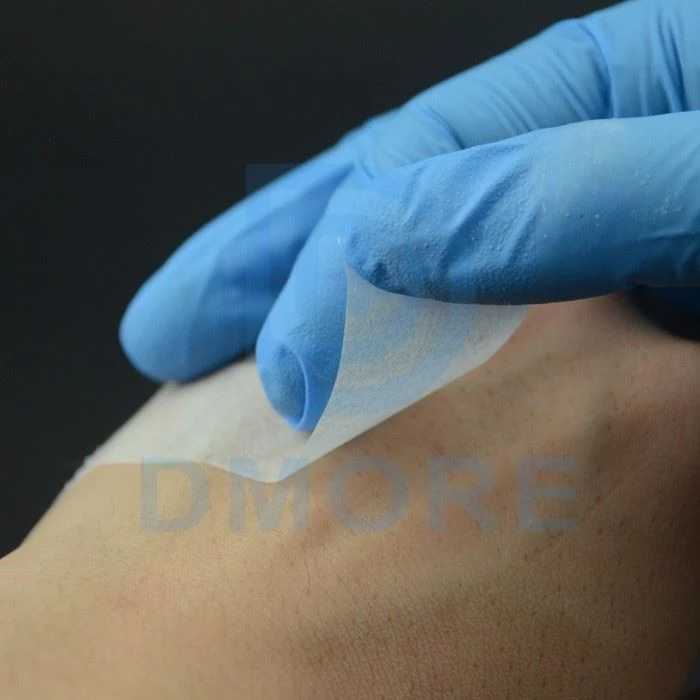
- Product Identification: The packaging should clearly identify the type of surgical tape, such as Non Woven Paper Tape, Medical Tape, or Zinc Oxide Plaster. This can help healthcare professionals and patients to select the appropriate product for their needs.
Environmental Considerations
In recent years, there has been a growing emphasis on environmental sustainability in the medical industry. Therefore, the packaging for surgical tapes should be designed to minimize its environmental impact.
- Recyclable Materials: Whenever possible, recyclable materials should be used for the packaging of surgical tapes. Materials such as paper, cardboard, and certain types of plastics can be recycled, reducing the amount of waste generated.
- Biodegradable Materials: Biodegradable materials, such as bio-based plastics or compostable materials, can also be used for the packaging of surgical tapes. These materials break down naturally over time, reducing their environmental impact.
- Reduced Packaging Size and Weight: Minimizing the size and weight of the packaging can also help to reduce its environmental impact. This can be achieved by using more efficient packaging designs and materials, as well as by reducing the amount of excess packaging.
Customization and Branding
In addition to the functional requirements of the packaging, customization and branding can also play an important role in the success of surgical tapes. Customized packaging can help to differentiate the product from competitors, enhance brand recognition, and improve the overall user experience.
- Custom Printing: Custom printing can be used to add branding elements, such as logos, product names, and slogans, to the packaging. This can help to create a cohesive and professional brand image, making the product more appealing to customers.
- Unique Packaging Designs: Unique packaging designs can also help to differentiate the product from competitors. Innovative packaging shapes, colors, or materials can make the product stand out on the shelves, increasing its visibility and attractiveness.
- User-Friendly Packaging: User-friendly packaging can also improve the overall user experience. Packaging features such as easy-to-open seals, clear instructions, and convenient dispensing mechanisms can make the product more convenient and easy to use.
Conclusion
In conclusion, there are several special packaging requirements for surgical tapes that must be considered to ensure the quality, safety, and effectiveness of these products. The packaging must preserve the sterility of the tape, protect it from physical damage, provide clear and accurate labeling, and minimize its environmental impact. Customization and branding can also play an important role in the success of surgical tapes, helping to differentiate the product from competitors and enhance brand recognition.
If you're interested in learning more about our surgical tapes or discussing your specific packaging requirements, please feel free to contact us. We're a leading supplier of high-quality surgical tapes, and we're committed to providing our customers with the best products and services. Let's start a conversation and explore how we can meet your needs.
References
- ASTM International. (2021). Standard Specification for Surgical Tape. ASTM F1670/F1670M-21.
- International Organization for Standardization. (2019). ISO 11607-1:2019 Packaging for terminally sterilized medical devices — Part 1: Requirements for materials, sterile barrier systems and packaging systems.
- U.S. Food and Drug Administration. (2022). Medical Device Packaging: A Review of the Current State of the Science.


