


Hey there! I'm a supplier of surgical tapes, and today I wanna chat about how these essential medical items are sterilized. Surgical tapes are used in a wide range of medical settings, from hospitals to clinics, and even in home first - aid kits. Ensuring they're sterile is super important to prevent infections and keep patients safe.
Why Sterilization Matters
Before we dive into the sterilization methods, let's talk about why it's such a big deal. When surgical tapes are used on open wounds or in surgical procedures, any bacteria or other microorganisms on the tape can cause infections. These infections can range from minor irritations to life - threatening conditions. So, proper sterilization is non - negotiable.
Common Sterilization Methods
Ethylene Oxide Sterilization
One of the most widely used methods for sterilizing surgical tapes is ethylene oxide (EtO) sterilization. Ethylene oxide is a colorless gas that's really effective at killing bacteria, viruses, and fungi. It works by reacting with the proteins and DNA in these microorganisms, basically stopping them from functioning.
The process starts by placing the surgical tapes in a sealed chamber. Then, ethylene oxide gas is pumped into the chamber at a controlled temperature and humidity. The tapes need to be exposed to the gas for a specific period, usually several hours, to ensure complete sterilization. After that, the chamber is ventilated to remove any remaining ethylene oxide gas because it's toxic.
The great thing about EtO sterilization is that it can be used on a variety of materials. Whether it's the Zinc Oxide Plaster, which is known for its strong adhesive properties, or the Medical Tape used for general wound dressing, EtO can get the job done without damaging the tapes.
However, there are some downsides. Ethylene oxide is a hazardous substance, so strict safety measures need to be in place during the sterilization process. Also, the ventilation step takes time, which can slow down production.
Gamma Irradiation
Gamma irradiation is another popular method for sterilizing surgical tapes. It uses high - energy gamma rays, usually from a radioactive source like cobalt - 60. These gamma rays penetrate the tapes and damage the DNA of microorganisms, preventing them from reproducing.
The process is relatively simple. The surgical tapes are placed in a container and then exposed to the gamma rays for a set amount of time. The advantage of gamma irradiation is that it's a fast process. There's no need for long ventilation periods like with EtO sterilization.
It's also great for materials that can withstand high - energy radiation. For example, Non Woven Paper Tape can be effectively sterilized using gamma irradiation. But it's not suitable for all materials. Some tapes may become brittle or lose their adhesive properties if exposed to too much gamma radiation.
Steam Sterilization
Steam sterilization, also known as autoclaving, is a well - known method in the medical field. It uses high - pressure steam to kill microorganisms. The tapes are placed in an autoclave, which is like a big pressure cooker. The steam inside the autoclave reaches a high temperature, usually around 121 - 134 degrees Celsius, and this heat destroys the bacteria and other germs.
The advantage of steam sterilization is that it's relatively inexpensive and easy to do. It's also environmentally friendly since it doesn't use any chemicals. However, it has limitations. Not all surgical tapes can withstand the high heat and moisture of steam sterilization. Some tapes may lose their shape, adhesive strength, or other properties.
Quality Control in Sterilization
As a surgical tape supplier, we take quality control very seriously. After the sterilization process, we test the tapes to make sure they're actually sterile. We use methods like microbial testing, where we try to grow any remaining microorganisms on a culture medium. If nothing grows, then the tapes are considered sterile.
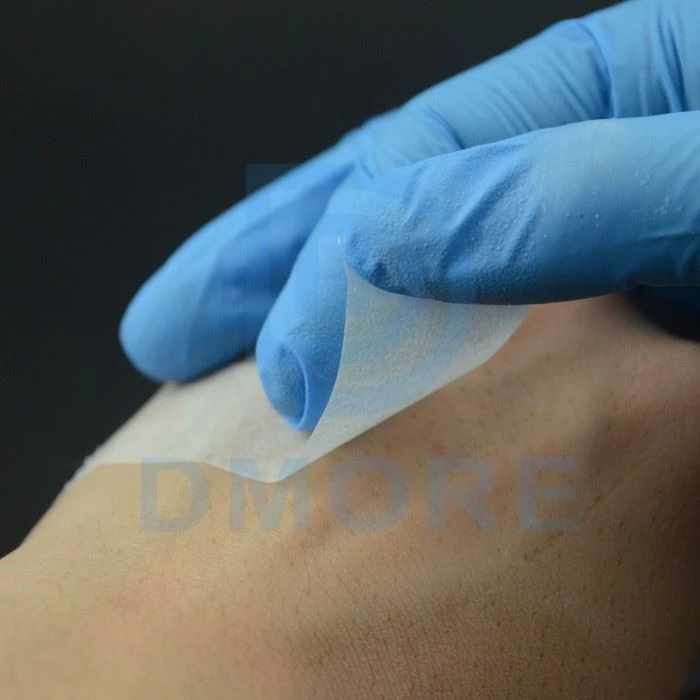
We also check the physical properties of the tapes, like their adhesive strength and flexibility. For example, a Medical Tape that has lost its stickiness after sterilization is no good.

Choosing the Right Sterilization Method
When it comes to choosing the right sterilization method for our surgical tapes, we consider several factors. The type of tape material is a big one. As I mentioned earlier, some materials can handle high heat, while others can't. The intended use of the tape also matters. If it's for a critical surgical procedure, we might choose a more reliable method like EtO or gamma irradiation.
Cost is another factor. Steam sterilization is cheap, but if it can't be used on the tape, then we have to go for more expensive methods. And of course, we have to comply with all the regulations and standards set by the medical industry.
Our Commitment as a Supplier
At our company, we're committed to providing high - quality, sterile surgical tapes. We invest in the latest sterilization technology and follow strict quality control procedures. We understand that our tapes are used in life - saving situations, so we can't afford to cut corners.
Whether you're a hospital looking for Zinc Oxide Plaster for surgical wounds or a pharmacy in need of Non Woven Paper Tape for general first - aid, we've got you covered.
Let's Connect
If you're interested in our surgical tapes and want to learn more about our sterilization processes or place an order, don't hesitate to reach out. We're always happy to have a chat and discuss your specific needs. We believe in building long - term relationships with our customers, and we're confident that our high - quality, sterile surgical tapes will meet your expectations.
References
- Block, S. S. (2001). Disinfection, Sterilization, and Preservation. Lippincott Williams & Wilkins.
- McDonnell, G., & Russell, A. D. (1999). Antiseptics and disinfectants: activity, action, and resistance. Clinical Microbiology Reviews, 12(1), 147 - 179.


