


Dental procedures are an integral part of maintaining oral health, and dental needles play a crucial role in various aspects of these treatments. From administering local anesthesia to performing irrigation, the type and quality of dental needles can significantly impact a patient's recovery process after a dental procedure. As a dental needle supplier, I have witnessed firsthand the importance of these seemingly small tools in ensuring a smooth and speedy recovery for patients.
The Role of Dental Needles in Dental Procedures
Dental needles are used for a variety of purposes in dental treatments. One of the most common uses is for administering local anesthesia. Before any invasive dental procedure, such as a tooth extraction or a root canal, the dentist needs to numb the area to minimize pain and discomfort for the patient. A fine - gauge Dentist Needle is inserted into the soft tissue near the treatment site to deliver the anesthetic solution. The accuracy and sharpness of the needle are vital in this process. A dull or blunt needle can cause unnecessary pain and tissue damage, which may lead to a more difficult recovery.
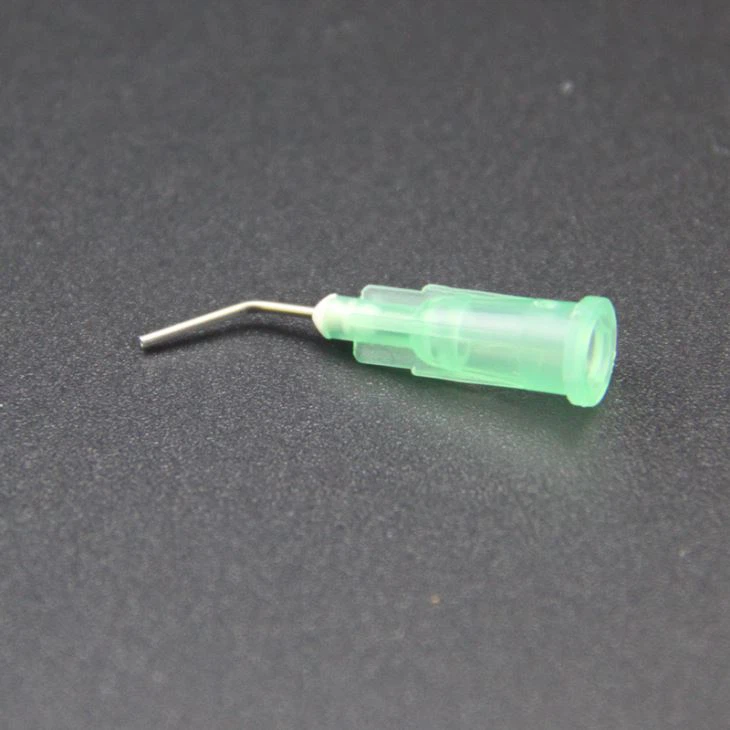
Another important application of dental needles is in dental irrigation. Dental Irrigation Needle are used to flush out debris, bacteria, and other contaminants from the periodontal pockets, root canals, or extraction sites. This helps to prevent infection and promotes healing. The design of the irrigation needle, including the size of the lumen and the shape of the tip, can affect the effectiveness of the irrigation process. A well - designed needle can ensure that the irrigating solution reaches all the necessary areas, reducing the risk of post - operative complications.
Impact on Patient Comfort During the Procedure
The patient's experience during a dental procedure has a direct impact on their recovery. If a patient endures excessive pain or discomfort during the treatment, it can lead to increased stress and anxiety. This, in turn, can have a negative effect on the body's natural healing mechanisms. High - quality dental needles are designed to minimize pain during insertion and injection. They are often made with ultra - sharp tips that can penetrate the tissue with minimal resistance. For example, some needles are coated with a special lubricant that further reduces friction and pain.
In addition, the gauge of the needle also affects comfort. Finer - gauge needles are generally less painful than thicker ones. However, the choice of gauge depends on the specific procedure. For instance, a thicker needle may be required for delivering a larger volume of anesthetic solution, while a finer needle can be used for more precise injections. As a dental needle supplier, we offer a wide range of gauges to meet the diverse needs of dental professionals and ensure patient comfort.
Influence on Post - Operative Pain and Swelling
The type of dental needle used can also influence the amount of post - operative pain and swelling a patient experiences. A needle that causes less tissue trauma during insertion and injection will result in less inflammation and pain after the procedure. When a needle damages the surrounding tissue, it triggers an immune response, which can lead to swelling, redness, and pain. High - quality needles are designed to minimize this trauma.
Some Side Vented Needle are specifically designed to reduce the risk of tissue damage. These needles have vents on the side, which allows for a more even distribution of the injected solution. This reduces the pressure on the tissue and minimizes the risk of damage. By using such needles, dentists can help their patients experience less post - operative pain and swelling, leading to a faster recovery.
Prevention of Infection
Infection is a major concern after any dental procedure. Dental needles can play a role in preventing infection if they are used correctly and are of high quality. Sterile needles are essential to prevent the introduction of bacteria into the patient's body. As a dental needle supplier, we ensure that all our needles are manufactured under strict quality control standards and are properly sterilized before packaging.
In addition, the design of the needle can also affect the risk of infection. For example, needles with a smooth surface are less likely to harbor bacteria compared to those with rough surfaces. The shape of the needle tip also matters. A well - designed tip can minimize the risk of tissue damage, which in turn reduces the risk of infection. By using high - quality, sterile needles, dentists can significantly reduce the risk of post - operative infections and promote a healthy recovery for their patients.
Impact on Healing Time
The overall healing time after a dental procedure can be affected by the type of dental needle used. A needle that causes less tissue damage and promotes a clean and healthy treatment environment will generally lead to a faster healing process. When the tissue is not overly traumatized, the body's natural healing mechanisms can work more efficiently.
For example, in the case of a tooth extraction, using a high - quality needle for anesthesia and irrigation can help the socket heal more quickly. By minimizing pain, swelling, and the risk of infection, the patient can resume normal activities sooner. This not only improves the patient's quality of life but also reduces the burden on the healthcare system.
Importance of Choosing the Right Dental Needles
As a dental needle supplier, I understand the importance of providing dental professionals with high - quality needles. Choosing the right needle for each procedure is crucial for ensuring patient comfort, reducing the risk of complications, and promoting a speedy recovery. Dental professionals should consider factors such as the gauge, tip design, and sterilization method when selecting needles.
We offer a comprehensive range of dental needles, including Dentist Needle, Dental Irrigation Needle, and Side Vented Needle. Our needles are designed to meet the highest standards of quality and performance. We work closely with dental professionals to understand their needs and provide them with the best possible solutions.
Conclusion
In conclusion, dental needles have a significant impact on the patient's recovery after a dental procedure. From ensuring patient comfort during the procedure to preventing infection and promoting a faster healing process, the quality and design of the needle are crucial. As a dental needle supplier, we are committed to providing high - quality needles that meet the needs of dental professionals and their patients.

If you are a dental professional looking for reliable and high - quality dental needles, we invite you to contact us for more information. Our team of experts is ready to assist you in choosing the right needles for your practice. By partnering with us, you can ensure that your patients receive the best possible care and experience a smooth and speedy recovery after their dental procedures.
References
- "Dental Anesthesia: Principles and Practice" by Stanley F. Malamed.
- "Textbook of Periodontics" by Newman, Takei, and Klokkevold.
- "Endodontics: Principles and Practice" by Stephen T. Cohen and Martin Hargreaves.


