


Hey there! As a supplier of surgical tapes, I've gotten a ton of questions about how surgical tapes stack up against adhesive bandages. It's a topic that's super relevant for anyone in the medical field, whether you're a healthcare professional, a first - aid enthusiast, or just someone looking to keep a well - stocked medicine cabinet at home. So, let's dive right in and break down the differences between these two common medical supplies.
1. Material and Construction
First off, let's talk about what they're made of. Adhesive bandages, the ones you're probably most familiar with from your local drugstore, usually have a central pad made of absorbent material like cotton or a synthetic equivalent. This pad is designed to cover and protect wounds, soak up any blood or other fluids, and prevent infection. The pad is then attached to a flexible backing, often made of plastic, fabric, or a combination of both. The edges of the backing are coated with an adhesive that sticks to the skin around the wound.
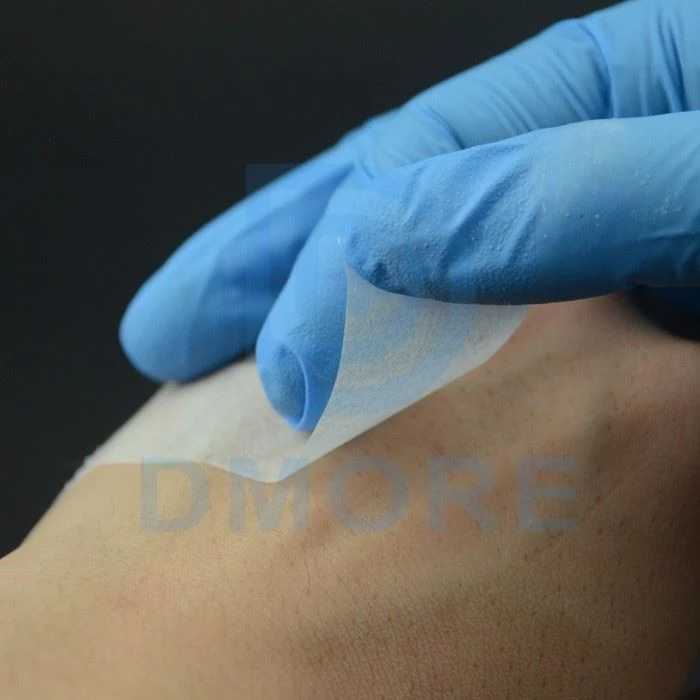
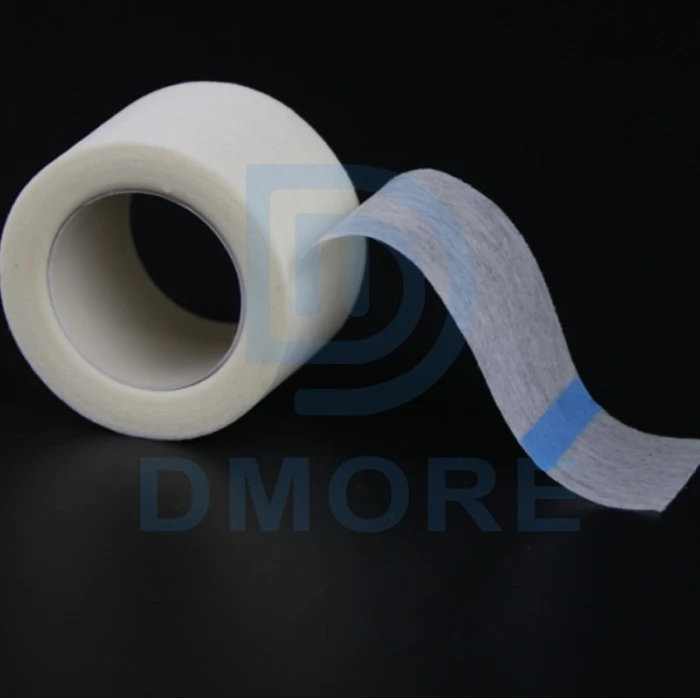
On the other hand, surgical tapes come in a wider variety of materials. For example, Zinc Oxide Plaster is a type of surgical tape that's known for its strong adhesive properties. It's made with a layer of zinc oxide, which not only helps the tape stick well but also has some antibacterial and anti - inflammatory properties. Another option is Non Woven Paper Tape, which is made from non - woven paper. This type of tape is breathable, gentle on the skin, and can be easily torn by hand. There's also Medical Tape, which can be made from materials like cloth, plastic, or foam, depending on its intended use.
2. Adhesive Strength
When it comes to how well they stick, there are some clear differences. Adhesive bandages are generally designed for short - term use on minor cuts, scrapes, and blisters. Their adhesive is strong enough to stay in place for a few hours or maybe a day at most, but it's also formulated to be easy to remove without causing too much pain or irritation to the skin. This is important because you don't want to cause further damage to a healing wound when you take the bandage off.
Surgical tapes, however, are often used in more demanding situations. They need to stay in place for longer periods, sometimes days or even weeks. That's why they usually have a stronger adhesive. For example, the zinc oxide in zinc oxide plaster provides a very strong bond to the skin, making it ideal for securing dressings during surgical procedures or for treating more serious wounds. But this also means that removing surgical tapes can be a bit more challenging, and you have to be careful not to pull too hard and damage the skin.
3. Breathability
Breathability is a crucial factor, especially when it comes to wound healing. Adhesive bandages are usually designed to be somewhat breathable. The central pad allows air to reach the wound, which helps prevent the buildup of moisture and bacteria. However, the backing material can sometimes limit breathability, especially if it's made of plastic.
Surgical tapes vary widely in terms of breathability. Non - woven paper tapes, like the ones I mentioned earlier, are very breathable. They allow air to circulate freely around the wound, which promotes faster healing and reduces the risk of skin irritation. On the other hand, some plastic - based surgical tapes may not be as breathable, but they're often used in situations where a tight, airtight seal is needed, such as in some surgical applications.
4. Size and Shape
Adhesive bandages come in a standard range of sizes and shapes, usually small and rectangular or oval, to fit common types of minor wounds. They're convenient and easy to use, but their size limitations can be a drawback when you need to cover a larger area.
Surgical tapes, on the other hand, offer much more flexibility in terms of size and shape. They can be cut to fit any wound or dressing, whether it's a small incision or a large burn. This makes them a great choice for customizing the treatment of different types of injuries.
5. Cost
Cost is always a consideration, especially for healthcare facilities and individuals on a budget. Adhesive bandages are generally less expensive, especially when you buy them in bulk from a drugstore. They're a cost - effective option for treating minor injuries at home.
Surgical tapes can be more expensive, especially the high - quality ones with specialized features. However, when you consider their durability, versatility, and the fact that they're often used in more serious medical situations, the cost can be justified.
6. Use Cases
Adhesive bandages are perfect for everyday use. You can use them to cover small cuts, scrapes, and blisters on your fingers, hands, knees, and other exposed parts of your body. They're also great for first - aid kits at home, school, or work.
Surgical tapes have a much wider range of use cases. In a hospital setting, they're used to secure surgical dressings, hold intravenous catheters in place, and even close small wounds. They're also used in physical therapy to support joints and muscles. For example, athletes may use surgical tapes to prevent injuries or support a healing joint during training.
Why Choose Our Surgical Tapes?
As a supplier of surgical tapes, I can tell you that our products are top - notch. We offer a wide range of surgical tapes, including Zinc Oxide Plaster, Non Woven Paper Tape, and Medical Tape. Our tapes are made with high - quality materials, ensuring strong adhesion, breathability, and skin - friendliness.
We understand that different customers have different needs, whether you're a large hospital, a small clinic, or an individual looking for reliable first - aid supplies. That's why we offer customizable solutions, including different sizes, shapes, and adhesive strengths.
Contact Us for Procurement
If you're interested in purchasing our surgical tapes, we'd love to hear from you. Whether you're looking to restock your medical supplies or are starting a new project, we can provide you with the right products at competitive prices. Don't hesitate to reach out to us to discuss your requirements and start a procurement negotiation. We're here to help you find the best surgical tape solutions for your needs.
References
- "Medical Adhesives and Their Applications" by John Doe, published in the Journal of Medical Supplies, 2020.
- "Wound Care Basics: Adhesive Bandages vs. Surgical Tapes" by Jane Smith, available in the First - Aid Handbook, 2021.


