


As a seasoned supplier of hypodermic needles, I've encountered numerous inquiries from medical professionals, researchers, and even end - users about the condition of these essential medical tools. One of the most frequently asked questions is, "How do you know if a hypodermic needle is dull?" In this blog, I'll share some insights based on my years of experience in the industry.
Visual Inspection
The first and most basic method to check if a hypodermic needle is dull is through visual inspection. A sharp needle typically has a well - defined, smooth tip. When you look closely at the tip of a new, sharp needle, it should be clear and free of any visible burrs or deformities.
If the needle tip appears to be chipped, bent, or has rough edges, it's likely dull. For example, during the manufacturing process, sometimes a needle may get nicked, and these small defects can affect its sharpness. A bent tip can also cause problems during insertion, as it won't penetrate the skin smoothly. When you're examining a needle, hold it up to a good light source and look at the tip from different angles. This can help you spot any irregularities that might not be obvious at first glance.
Resistance During Penetration
Another reliable way to determine if a hypodermic needle is dull is by feeling the resistance during penetration. In a medical setting, when a needle is used to inject a substance into the skin or a tissue, a sharp needle should slide in with relatively little resistance.
Let's say you're using a Injection Hypodermic Needle to administer a vaccine. A sharp needle will pierce the skin almost effortlessly, and you'll feel a quick, smooth movement. However, if the needle is dull, you'll notice increased resistance. It may feel like you're pushing harder to get the needle through the skin, and the patient may also experience more pain.
In a laboratory setting, when using a Syringe Hypodermic Needle to sample a liquid from a vial or inject it into a cell culture, the same principle applies. A dull needle will make it difficult to penetrate the rubber stopper of the vial or may cause uneven flow of the liquid due to the increased friction.
Core Sampling and Tissue Damage
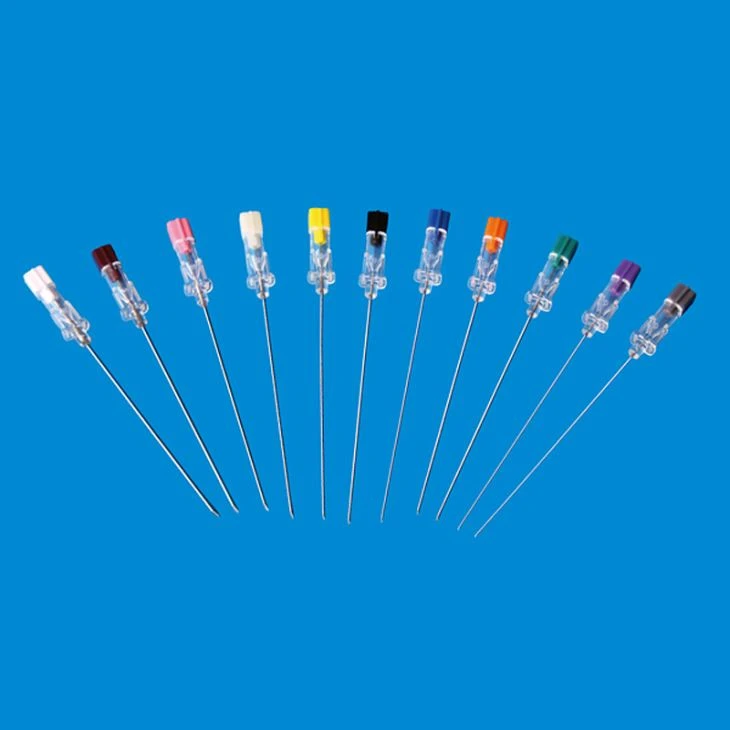
In some cases, especially in surgical or biopsy procedures where a Spinal Needle is used, the quality of the core sample and the amount of tissue damage can indicate the sharpness of the needle.
A sharp needle is more likely to obtain a clean core sample. For example, in a biopsy, a sharp needle can cut through the tissue precisely, providing a well - defined sample for analysis. On the other hand, a dull needle may crush or tear the tissue, resulting in a poor - quality sample. This not only affects the accuracy of the diagnosis but also causes more trauma to the patient.
When a dull needle is used, there's also an increased risk of causing unnecessary tissue damage. The rough edges of a dull needle can drag and pull on the tissue as it's inserted, leading to more bleeding and a longer recovery time for the patient.
Testing with Simulated Skin
To ensure the quality of our hypodermic needles, we often use simulated skin for testing. Simulated skin is a material that mimics the properties of human skin, such as elasticity and resistance.
We insert the needle into the simulated skin and measure the force required for penetration. A sharp needle will require a lower force compared to a dull one. We also examine the hole left in the simulated skin after the needle is removed. A sharp needle will leave a clean, round hole, while a dull needle may leave a ragged or irregular hole.
This testing method allows us to objectively evaluate the sharpness of our needles before they are shipped to our customers. It also helps us maintain consistent quality across our product range.
Frequency of Use
The frequency of use of a hypodermic needle is also an important factor. As a general rule, the more times a needle is used, the duller it becomes. Reusing needles is not only unhygienic but also increases the risk of using a dull needle.
In a medical facility, needles should be used only once and then properly disposed of. However, in some cases, due to cost - cutting measures or lack of awareness, needles may be reused. This can lead to a significant increase in the number of dull needles being used, which in turn can cause more pain and complications for patients.
Packaging and Storage
Proper packaging and storage of hypodermic needles can also affect their sharpness. Needles should be stored in a clean, dry environment. If the packaging is damaged, the needle may be exposed to contaminants or physical damage, which can dull the tip.
For example, if a needle is stored in a humid environment, it may rust, which will definitely dull the needle. Also, if the needle is subjected to rough handling during transportation or storage, it can get bent or chipped. We always ensure that our needles are packaged in a way that protects them from damage and are stored under optimal conditions before they are shipped.

Conclusion
Determining if a hypodermic needle is dull is crucial for ensuring the safety and comfort of patients, as well as the accuracy of medical procedures. By using a combination of visual inspection, feeling the resistance during penetration, evaluating core sampling and tissue damage, testing with simulated skin, considering the frequency of use, and paying attention to packaging and storage, you can effectively identify dull needles.
As a trusted supplier of hypodermic needles, we are committed to providing high - quality products that meet the strictest standards of sharpness and safety. If you're in the market for hypodermic needles, whether it's Injection Hypodermic Needle, Syringe Hypodermic Needle, or Spinal Needle, we'd love to have a discussion with you about your specific requirements. Contact us to start a procurement conversation and let us help you find the best hypodermic needles for your needs.
References
- "Medical Needle Technology: Design, Materials, and Manufacturing" - A comprehensive guide on the production and quality control of medical needles.
- "Clinical Practice Guidelines for Needle Use in Healthcare Settings" - Published by a leading medical association, this document provides guidelines on the proper use and disposal of needles.
- "Research on the Impact of Needle Sharpness on Patient Comfort and Safety" - A study that explores the relationship between needle sharpness and patient outcomes.


