


Loading a hypodermic needle with medication is a crucial skill in the medical field, whether it's for healthcare professionals administering treatments or patients self - injecting. As a hypodermic needle supplier, we understand the importance of this process and are committed to providing high - quality needles to ensure its safety and effectiveness.
Understanding the Basics of Hypodermic Needles
Before delving into the process of loading a hypodermic needle, it's essential to have a basic understanding of the different types of hypodermic needles available. We offer a wide range of needles, including Sterile Needles, Spinal Needle, and Syringe Hypodermic Needle. Each type is designed for specific medical applications, and choosing the right one is the first step in the process.

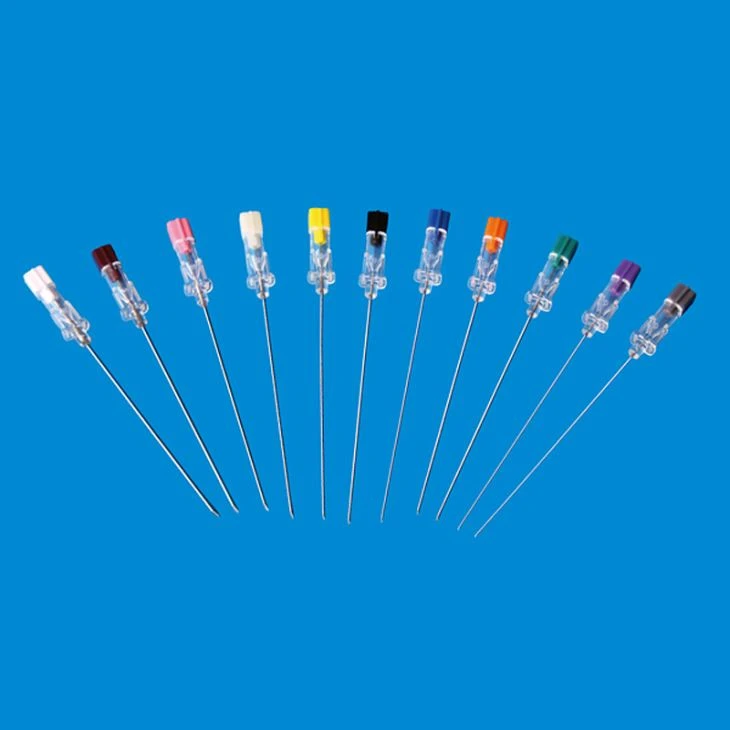
Sterile needles are pre - sterilized to prevent infections. They come in various gauges (the diameter of the needle) and lengths, which are selected based on the type of medication, the injection site, and the patient's body characteristics. Spinal needles, on the other hand, are used for spinal anesthesia or lumbar punctures. They are designed to be long and thin to reach the spinal canal safely. Syringe hypodermic needles are the most commonly used type for general injections, and they are attached to a syringe for easy medication delivery.
Preparing for the Loading Process
The first step in loading a hypodermic needle with medication is to gather all the necessary supplies. This includes the appropriate hypodermic needle, a syringe, the medication vial or ampule, alcohol swabs, and a sharps container. It's important to ensure that all supplies are clean and within their expiration dates.
Wash your hands thoroughly with soap and water for at least 20 seconds. Dry your hands with a clean towel or air - dry them. This helps prevent the introduction of bacteria into the medication and the injection site.
Loading from a Medication Vial
If the medication is stored in a vial, follow these steps:
- Inspect the vial: Check the label on the vial to ensure it's the correct medication, dosage, and expiration date. Examine the vial for any cracks, leaks, or discoloration of the medication. If there are any issues, do not use the vial.
- Prepare the vial: Clean the rubber stopper on the vial with an alcohol swab. Let it dry for a few seconds.
- Draw air into the syringe: Pull the plunger of the syringe back to draw in an amount of air equal to the volume of medication you need to withdraw. For example, if you need to draw 2 mL of medication, draw 2 mL of air into the syringe.
- Insert the needle into the vial: Remove the needle cap and insert the needle through the rubber stopper of the vial at a 90 - degree angle. Push the plunger down to inject the air into the vial. This creates positive pressure inside the vial, making it easier to withdraw the medication.
- Withdraw the medication: Keep the needle tip below the surface of the medication. Slowly pull the plunger back to draw the medication into the syringe. Be careful not to introduce air bubbles into the syringe. If air bubbles do form, tap the syringe gently to make the bubbles rise to the top. Then, push the plunger up slightly to expel the air bubbles.
- Check the dosage: Once you have withdrawn the correct amount of medication, double - check the volume in the syringe against the prescribed dosage. Make sure the meniscus (the curved surface of the liquid) is at the correct mark on the syringe barrel.
Loading from an Ampule
If the medication is in an ampule, the process is slightly different:
- Inspect the ampule: Check the label and the integrity of the ampule. Look for any cracks or chips. If the ampule is damaged, do not use it.
- Snap the ampule: Hold the ampule firmly at the neck. Use an alcohol swab to cover the neck of the ampule and snap it off in one quick motion. Be careful not to spill the medication.
- Draw the medication: Insert the needle into the ampule, keeping the bevel (the slanted tip of the needle) facing up. Slowly pull the plunger back to draw the medication into the syringe. Similar to the vial method, tap the syringe to remove any air bubbles and expel them if necessary.
Removing Air Bubbles
Air bubbles in the syringe can affect the accuracy of the dosage and may cause discomfort or complications during injection. To remove air bubbles, hold the syringe with the needle pointing up. Tap the syringe gently with your finger to make the air bubbles rise to the top. Then, slowly push the plunger up until the air bubbles are expelled and a small drop of medication appears at the needle tip.
Final Checks
Before using the loaded hypodermic needle, perform a final check. Make sure the correct amount of medication is in the syringe, and there are no air bubbles. Inspect the needle for any visible damage, such as a bent tip.
Safety Precautions
Throughout the process, it's important to follow strict safety precautions. Always dispose of used needles and syringes in a sharps container immediately after use. This helps prevent accidental needle sticks, which can transmit blood - borne diseases.
Do not recap the needle unless it has a safety feature designed for one - handed recapping. Recapping needles increases the risk of needle sticks. If you need to transport the loaded syringe, keep it in a safe, upright position to prevent leakage.
Conclusion
Loading a hypodermic needle with medication is a skill that requires attention to detail and strict adherence to safety protocols. As a hypodermic needle supplier, we are dedicated to providing healthcare professionals and patients with the highest - quality needles to ensure the safety and effectiveness of this process.
If you are in need of hypodermic needles for your medical practice or personal use, we invite you to contact us for procurement discussions. Our team of experts can help you choose the right needles for your specific needs and provide you with competitive pricing and excellent customer service.
References
- Kee JL, Hayes ER, McCuistion LE. Pharmacology: A Patient - Centered Nursing Process Approach. 9th ed. Elsevier; 2019.
- Perry AG, Potter PA, Ostendorf WR. Clinical Nursing Skills & Techniques. 9th ed. Elsevier; 2017.


