


Hey there! As a supplier of Kinesio Tape, I've seen firsthand how this nifty little product has been making waves in the world of sports, rehabilitation, and even everyday life. Today, I want to dive deep into one of the most interesting aspects: how Kinesio Tape affects joint stability.
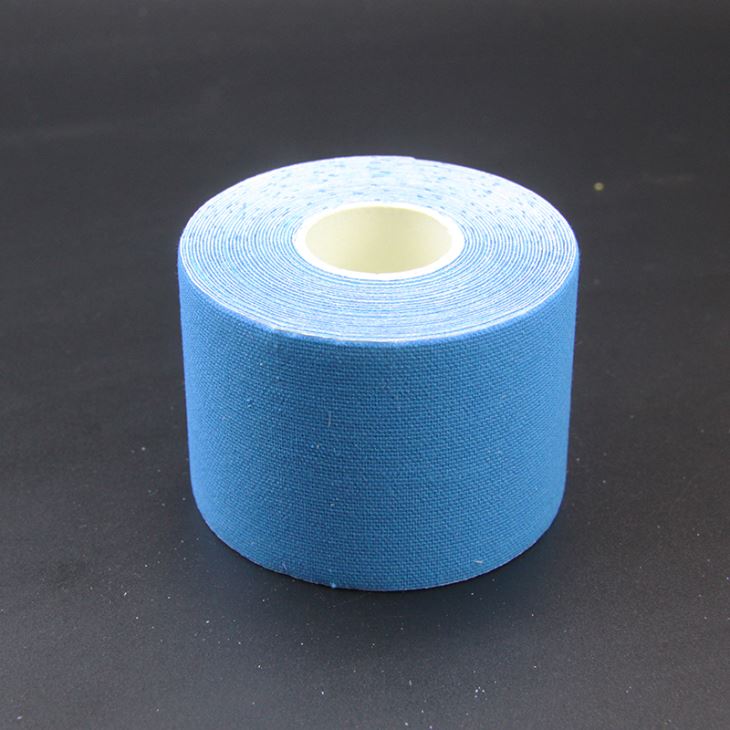
Let's start with the basics. What the heck is Kinesio Tape anyway? Well, it's a stretchy elastic tape that can be applied to different parts of the body. You've probably seen athletes with those colorful strips on their muscles and joints during games. It's not just for show! There are different types too, like Physio Tape, Kinesiology Tape, and Kt Tape Knee. Each type has its own unique properties and applications, but they all revolve around the same core idea of helping the body function better.
So, how does it work its magic on joint stability?
Providing Sensory Feedback
One of the main ways Kinesio Tape affects joint stability is through sensory feedback. Our joints are surrounded by a bunch of receptors that send signals to the brain about the position and movement of the joint. When you apply Kinesio Tape, it creates a gentle pull on the skin. This pull stimulates the sensory receptors in the skin, which in turn sends more information to the brain.
Think of it like having an extra mini - coach for your joints. The brain gets more detailed data about what the joint is doing, and it can then adjust the muscle activity around the joint more effectively. For example, if you're walking and your foot starts to roll in an abnormal way, the sensory feedback from the tape can prompt the muscles in your ankle to correct the movement faster. This helps to maintain proper joint alignment and reduces the risk of injury, which is super important for joint stability.
Muscle Activation and Support
Kinesio Tape can also have an impact on muscle activation. When a joint is unstable, it's often because the muscles around it aren't working as well as they should. The tape can provide some external support to the muscles, kind of like a helping hand.
It's been shown that Kinesio Tape can increase the muscle's ability to contract and relax. By gently lifting the skin, the tape creates more space between the muscles and the skin. This can improve blood circulation and lymphatic flow in the area. When the blood flow is better, the muscles get more oxygen and nutrients, which means they can function more efficiently.
For instance, if you have a weak knee joint, the Kt Tape Knee can be applied in a way that supports the quadriceps and hamstring muscles. These muscles are crucial for knee stability. By enhancing their activation, the tape helps the knee joint stay in a more stable position during movement.
Reducing Pain and Inflammation
Pain and inflammation are big enemies of joint stability. When a joint hurts, we tend to limp or avoid using it properly. This can lead to further muscle imbalances and more instability. Kinesio Tape can play a role in reducing pain and inflammation.
The tape's stretchy nature can help to relieve pressure on the connective tissues around the joint. When there's less pressure, there's less irritation, and that means less pain. Also, by improving blood and lymphatic flow, it helps the body remove waste products and reduce swelling.
Let's say you have a sprained ankle. Applying Physio Tape to the area can help ease the pain. As the pain subsides, you're more likely to use your ankle normally again. This allows the muscles around the ankle to regain their strength and function, which is essential for joint stability.
Real - World Examples
I've had many customers come back to me with amazing stories about how Kinesio Tape has improved their joint stability. Take John, for example. He's an old high - school football player who used to have a lot of knee problems. After trying different treatments without much success, he decided to give Kinesiology Tape a shot.
He started applying the tape to his knees before his daily walks and light workouts. Within a few weeks, he noticed a significant difference. His knees felt more stable, and he could walk longer distances without pain. The tape had provided the extra support his knees needed, and it had also helped his muscles work better.
Another customer, Sarah, was a yoga enthusiast. She had a tendency to roll her ankles during some of the more challenging poses. After applying Kinesio Tape to her ankles, she found that her balance improved, and she was able to maintain proper alignment in her joints. This not only made her yoga practice more enjoyable but also reduced the risk of future injuries.
The Science Behind It
There's a growing body of research that supports the use of Kinesio Tape for joint stability. A study published in the Journal of Sports Rehabilitation found that applying Kinesio Tape to the ankle joint increased proprioception (the body's sense of its own movement and position). The researchers concluded that this increase in proprioception could lead to better joint stability during physical activities.
Another study in the British Journal of Sports Medicine looked at the effects of Kinesio Tape on the shoulder joint. They found that the tape helped to improve muscle activation and reduce pain in patients with shoulder instability. This shows that Kinesio Tape can have a positive impact on different joints in the body.

How Do You Use It?
Now that you know how awesome Kinesio Tape is for joint stability, you might be wondering how to use it. Here's a general guide, but keep in mind that it's always a good idea to consult a professional if you're not sure.
First, clean and dry the area where you're going to apply the tape. Then, cut the tape to the appropriate length. You can apply different techniques depending on the joint and the problem you're trying to address. For example, for a knee injury, you might apply the Kt Tape Knee in a pattern that supports the quadriceps and hamstrings.
Slowly stretch the tape as you apply it to the skin. Make sure it's not too tight, as you still want to be able to move freely. Once the tape is on, rub it gently to activate the adhesive. The tape can usually stay on for a few days, but if it starts to come off or irritates your skin, you can remove it.
Conclusion
In conclusion, Kinesio Tape has a significant impact on joint stability in several ways. It provides sensory feedback, enhances muscle activation, reduces pain and inflammation, and improves overall joint function. Whether you're an athlete looking to prevent injuries, someone recovering from a joint injury, or just someone who wants to improve their daily movement, Kinesio Tape can be a great tool.
As a Kinesio Tape supplier, I'm passionate about helping people understand the benefits of this amazing product. If you're interested in purchasing Kinesio Tape for yourself or your organization, I'd love to have a chat with you. We offer a wide range of Kinesio Tape products, including Physio Tape, Kinesiology Tape, and Kt Tape Knee. Let's start a conversation and see how we can meet your needs.
References
- Journal of Sports Rehabilitation study on ankle proprioception with Kinesio Tape.
- British Journal of Sports Medicine study on shoulder instability and Kinesio Tape.


