


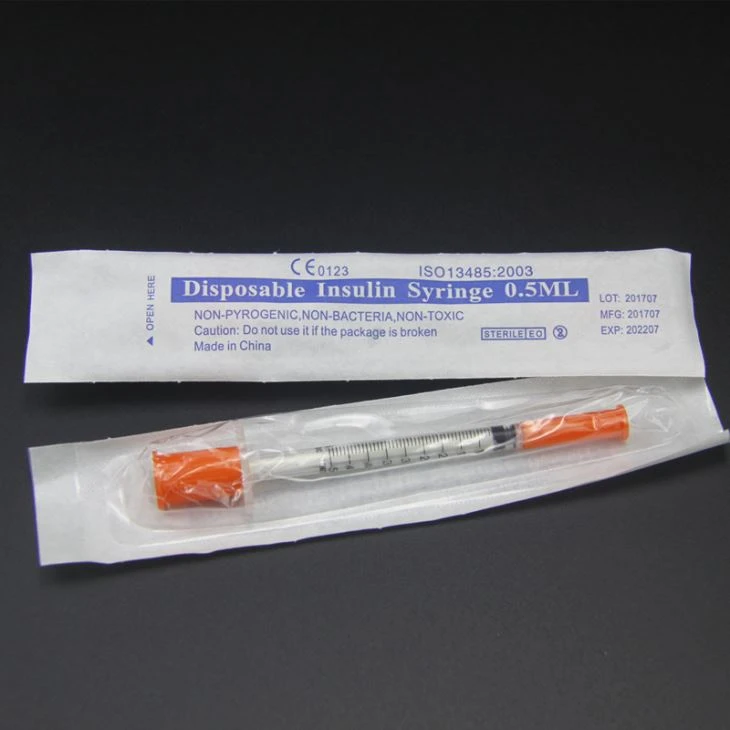
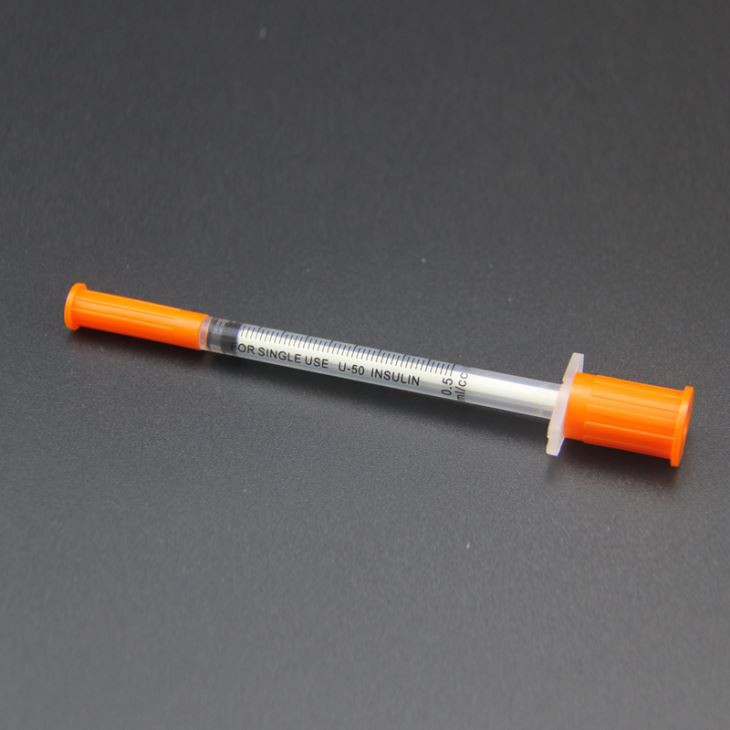
Insulin syringes are crucial medical devices for individuals with diabetes, providing a precise and reliable method for administering insulin. However, like any medical equipment, they can sometimes encounter issues, such as leakage. As a trusted supplier of insulin syringes, including 1cc Syringe, U100 Syringe, and Diabetic Needles, we understand the importance of addressing such problems effectively. In this blog post, we will discuss how to handle an insulin syringe if it leaks, ensuring the safety and well - being of patients.
Understanding the Causes of Insulin Syringe Leakage
Before we delve into the solutions, it's essential to understand why an insulin syringe might leak. Several factors can contribute to this issue:
- Needle Problems: A bent or damaged needle can cause insulin to leak out. If the needle is not properly inserted into the vial or the skin, it may create an improper seal, leading to leakage.
- Syringe Damage: Physical damage to the syringe barrel, such as cracks or chips, can compromise its integrity and cause insulin to escape.
- Incorrect Assembly: If the syringe is not assembled correctly, for example, if the plunger is not properly seated or the needle is not firmly attached, leakage can occur.
- Pressure Changes: Sudden changes in pressure, such as high altitude or temperature variations, can cause the insulin to expand or contract, potentially leading to leakage.
Immediate Actions When an Insulin Syringe Leaks
When you notice that an insulin syringe is leaking, the following immediate actions should be taken:
- Stop Using the Syringe: The first and most important step is to stop using the leaking syringe immediately. Continuing to use it can lead to inaccurate insulin dosing, which can have serious consequences for the patient's blood sugar control.
- Prevent Contamination: If the leaked insulin comes into contact with the surrounding area, it's important to prevent contamination. Use a clean, dry cloth or tissue to absorb the leaked insulin and dispose of it properly. Wash your hands thoroughly after handling the leaked insulin.
- Assess the Situation: Carefully examine the syringe to determine the cause of the leakage. Check the needle for damage, the syringe barrel for cracks, and the assembly for any obvious issues.
Handling Different Types of Leakage
Leakage from the Needle
- If the needle is bent or damaged: Replace the needle with a new one. Make sure to use a compatible Diabetic Needles for your syringe. Before using the new needle, check it for any visible defects.
- If the needle is not properly inserted: Remove the needle and re - insert it correctly into the vial or the skin. Ensure that the needle is fully inserted and that there is a proper seal.
Leakage from the Syringe Barrel
- If there are cracks or chips: Discard the syringe immediately. A damaged syringe cannot be safely used and should be replaced with a new one. As a supplier, we offer a wide range of high - quality 1cc Syringe and U100 Syringe that are designed to be durable and reliable.
- If the plunger is not properly seated: Gently remove the plunger and re - insert it carefully, making sure it fits snugly into the barrel. Check for any resistance or unusual movement while re - inserting the plunger.
Leakage Due to Incorrect Assembly
- Re - assemble the syringe: If the syringe was not assembled correctly, disassemble it and re - assemble it according to the manufacturer's instructions. Make sure all components are properly aligned and securely attached.
Preventive Measures to Avoid Syringe Leakage
To minimize the risk of insulin syringe leakage, the following preventive measures can be taken:
- Proper Storage: Store insulin syringes in a cool, dry place away from direct sunlight and extreme temperatures. Avoid storing them in places where they may be easily damaged, such as in a crowded drawer or a pocket with sharp objects.
- Regular Inspection: Before using a syringe, inspect it carefully for any signs of damage or defects. Check the needle for sharpness and straightness, the syringe barrel for cracks or chips, and the assembly for proper fit.
- Correct Handling: When handling insulin syringes, be gentle and avoid applying excessive force. Follow the proper procedures for inserting the needle into the vial and the skin to ensure a proper seal.
- Use High - Quality Products: As a supplier, we emphasize the importance of using high - quality insulin syringes. Our 1cc Syringe, U100 Syringe, and Diabetic Needles are manufactured to strict quality standards, reducing the risk of leakage and other issues.
Importance of Proper Insulin Administration
Proper insulin administration is crucial for effective diabetes management. Leaky syringes can lead to inaccurate dosing, which can result in hyperglycemia (high blood sugar) or hypoglycemia (low blood sugar). Hyperglycemia can cause long - term complications such as nerve damage, kidney damage, and cardiovascular problems, while hypoglycemia can be life - threatening if not treated promptly.
By following the steps outlined in this blog post, patients can ensure that they are using their insulin syringes safely and effectively, minimizing the risk of leakage and its associated complications.
Conclusion and Call to Action
As a leading supplier of insulin syringes, we are committed to providing high - quality products and reliable information to our customers. If you are experiencing issues with insulin syringe leakage or have any questions about our products, we encourage you to reach out to us for further assistance. Our team of experts is available to help you choose the right insulin syringes for your needs and provide guidance on proper usage and handling.
Whether you are a healthcare provider, a patient, or a distributor, we welcome you to contact us for more information on our 1cc Syringe, U100 Syringe, and Diabetic Needles. We look forward to the opportunity to work with you and contribute to the effective management of diabetes.
References
- American Diabetes Association. Standards of Medical Care in Diabetes - 2023. Diabetes Care. 2023;46(Suppl 1):S1 - S236.
- World Health Organization. Guidelines on diabetes. World Health Organization; 2016.


