


What is Kinesio Tape?
In the realm of sports medicine and physical therapy, Kinesio Tape has emerged as a remarkable tool that has gained widespread popularity in recent years. As a Kinesio Tape supplier, I have witnessed firsthand the growing interest and demand for this innovative product. In this blog post, I will delve into what Kinesio Tape is, how it works, its benefits, and its various applications.
What is Kinesio Tape?
Kinesio Tape, also known as Kinesiology Tape, is a specialized elastic adhesive tape that is designed to mimic the elasticity and thickness of human skin. It was developed in the 1970s by Dr. Kenzo Kase, a Japanese chiropractor, with the aim of providing support and pain relief to patients without restricting their range of motion.
The tape is made from a cotton-based material with an acrylic adhesive on one side. It has a unique wavy pattern that allows it to stretch in multiple directions, providing a gentle pulling force when applied to the skin. This pulling force helps to lift the skin, creating space between the skin and the underlying tissues, which can have several beneficial effects on the body.
How Does Kinesio Tape Work?
The mechanism of action of Kinesio Tape is based on its ability to interact with the body's proprioceptive system, which is responsible for providing information about the position and movement of our body parts. When the tape is applied to the skin, it stimulates the sensory receptors in the skin, sending signals to the brain about the position and movement of the taped area.
This stimulation can have several effects on the body, including:
- Improved Circulation: The gentle pulling force of the tape helps to increase blood and lymphatic circulation in the taped area. This can help to reduce swelling, inflammation, and pain by removing waste products and delivering oxygen and nutrients to the tissues.
- Muscle Support and Activation: Kinesio Tape can provide support to weakened or injured muscles by helping to stabilize the joint and reduce the load on the affected muscles. It can also help to activate the muscles by providing proprioceptive feedback, which can improve muscle function and performance.
- Pain Relief: The tape can help to reduce pain by stimulating the sensory receptors in the skin, which can block the transmission of pain signals to the brain. It can also help to reduce muscle tension and spasms, which can contribute to pain.
- Enhanced Joint Mobility: By providing support and stability to the joint, Kinesio Tape can help to improve joint mobility and range of motion. This can be particularly beneficial for individuals with joint injuries or conditions such as arthritis.
Benefits of Kinesio Tape
The use of Kinesio Tape has several benefits, including:
- Non-Invasive: Kinesio Tape is a non-invasive alternative to traditional methods of treatment, such as surgery or medication. It can be easily applied and removed without causing any pain or discomfort to the patient.
- Versatile: Kinesio Tape can be used to treat a wide range of conditions, including sports injuries, musculoskeletal disorders, and postural problems. It can be applied to various parts of the body, including the back, neck, shoulders, knees, and ankles.
- Long-Lasting: The tape can stay on the skin for several days, providing continuous support and pain relief. This can be particularly beneficial for individuals who are active or have busy lifestyles.
- Cost-Effective: Kinesio Tape is a relatively inexpensive treatment option compared to other methods of treatment, such as surgery or medication. It can also be reused multiple times, making it a cost-effective solution for long-term use.
Applications of Kinesio Tape
Kinesio Tape has a wide range of applications in sports medicine, physical therapy, and rehabilitation. Some of the common applications of Kinesio Tape include:
- Sports Injuries: Kinesio Tape is commonly used to treat sports injuries, such as sprains, strains, and contusions. It can help to reduce pain, swelling, and inflammation, and promote healing by providing support and stability to the injured area.
- Musculoskeletal Disorders: Kinesio Tape can be used to treat a variety of musculoskeletal disorders, such as back pain, neck pain, shoulder pain, and knee pain. It can help to reduce pain, improve joint mobility, and enhance muscle function.
- Postural Problems: Kinesio Tape can be used to correct postural problems, such as forward head posture, rounded shoulders, and pelvic tilt. It can help to improve posture by providing support and alignment to the muscles and joints.
- Rehabilitation: Kinesio Tape can be used as part of a rehabilitation program to help individuals recover from injuries or surgeries. It can help to reduce pain, improve joint mobility, and enhance muscle function, allowing individuals to return to their normal activities more quickly.
Different Types of Kinesio Tape
There are several different types of Kinesio Tape available on the market, each with its own unique features and benefits. Some of the common types of Kinesio Tape include:
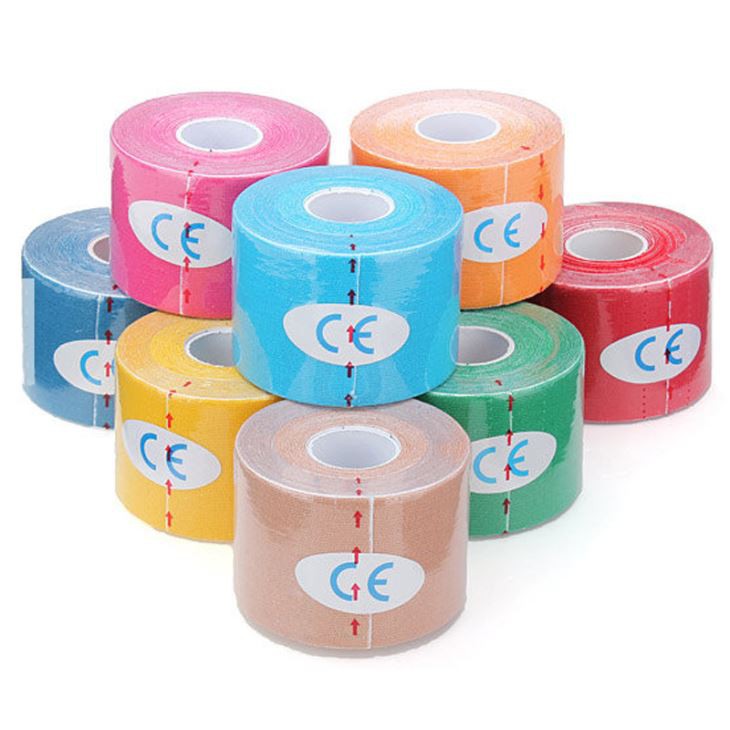

- Kinesthetic Tape: Kinesthetic Tape is a type of Kinesio Tape that is designed to provide maximum support and stability to the muscles and joints. It is often used for sports injuries and high-intensity activities.
- Sports Injury Tape: Sports Injury Tape is a type of Kinesio Tape that is specifically designed for treating sports injuries. It is often used to reduce pain, swelling, and inflammation, and promote healing in the injured area.
- Kinesiology Tape: Kinesiology Tape is the most common type of Kinesio Tape. It is designed to provide support, stability, and pain relief to the muscles and joints. It can be used for a wide range of conditions, including sports injuries, musculoskeletal disorders, and postural problems.
How to Apply Kinesio Tape
Applying Kinesio Tape correctly is essential to ensure its effectiveness and safety. Here are the general steps for applying Kinesio Tape:
- Prepare the Skin: Clean the skin where the tape will be applied with soap and water, and dry it thoroughly. Avoid applying the tape to oily or dirty skin, as this can reduce the adhesion of the tape.
- Cut the Tape: Cut the tape to the desired length and shape, depending on the area of the body where it will be applied. The tape should be cut slightly longer than the area to be taped to allow for stretching.
- Apply the Anchor: Apply the anchor of the tape to the skin without stretching it. The anchor is the end of the tape that will be attached to the skin first.
- Stretch the Tape: Gently stretch the tape to the desired tension, depending on the purpose of the application. The tape should be stretched to about 15-25% of its original length.
- Apply the Tape: Apply the stretched tape to the skin, following the direction of the muscle fibers or the desired movement of the joint. Smooth the tape onto the skin, making sure there are no wrinkles or bubbles.
- Apply the End: Apply the end of the tape to the skin without stretching it. The end of the tape should be anchored firmly to the skin to prevent it from peeling off.
Conclusion
Kinesio Tape is a versatile and effective tool that can be used to treat a wide range of conditions, including sports injuries, musculoskeletal disorders, and postural problems. Its ability to provide support, stability, and pain relief without restricting range of motion makes it a popular choice among athletes, physical therapists, and individuals seeking non-invasive treatment options.
As a Kinesio Tape supplier, I am committed to providing high-quality products and excellent customer service. If you are interested in learning more about Kinesio Tape or would like to discuss your specific needs, please do not hesitate to contact us. We would be happy to help you find the right solution for your needs and guide you through the process of purchasing and using Kinesio Tape.
References
- Kase, K., Wallis, J., & Kase, A. (2003). Kinesio Taping Method: Myofascial Release with Kinesio Tex Tape. Spedizioni Kinesio Taping.
- Lee, M. S., Pittler, M. H., Ernst, E., & Lee, H. J. (2009). Kinesio taping for treating pain and disability in musculoskeletal conditions: A systematic review. British Journal of Sports Medicine, 43(4), 287-293.
- McConnell, J., & Jenkins, D. (2010). Kinesiology taping: A review of the evidence. Sports Medicine, 40(10), 833-847.


