


Alright, so you're probably wondering what kind of training is needed to use a Scalp Vein Set. Well, as a supplier of these things, I've seen a lot of folks grappling with this question. Let's break it down step by step.
First off, let's talk about what a Scalp Vein Set actually is. It's a medical device used for intravenous (IV) access, especially in patients where traditional IV insertion might be a bit tricky, like infants or people with difficult - to - find veins. There are different types, such as the Winged Infusion Set and the Scalp Vein Needle.
Basic Medical Knowledge Training
Before you even think about using a Scalp Vein Set, you need to have a solid foundation in basic medical knowledge. This includes understanding human anatomy, specifically the circulatory system. You should know where the common veins are located, especially in the scalp area for which these sets are often used. For example, the superficial temporal veins are a prime target for scalp vein cannulation.
A good training program will cover the structure and function of veins. You need to understand how veins carry blood back to the heart, their elasticity, and how they can vary in size and depth depending on the patient. This knowledge is crucial because it helps you identify the right vein for the Scalp Vein Set insertion.

Hygiene and Sterilization Training
Hygiene is non - negotiable when it comes to using medical devices like Scalp Vein Sets. You must be trained in proper handwashing techniques. This means washing your hands with soap and water for at least 20 seconds, or using an alcohol - based hand sanitizer if soap and water aren't available.
Sterilization of the Scalp Vein Set itself and the insertion site is also key. The set should be kept in its sterile packaging until just before use. The insertion site on the patient's scalp needs to be cleaned thoroughly with an antiseptic solution, usually an alcohol - based one. This helps prevent infections, which can be a serious complication in IV therapy.
Handling and Preparation Training
Once you've got the basic knowledge and hygiene down, it's time to learn how to handle and prepare the Scalp Vein Set. You need to be able to open the packaging without contaminating the set. Some sets come with a protective cap on the needle, which you'll need to remove carefully.
You also have to prime the set. Priming means filling the tubing with the appropriate fluid, usually saline. This gets rid of any air bubbles in the tubing, which could cause an air embolism if they enter the patient's bloodstream. It's a simple but very important step that requires some practice to do correctly.
Insertion Training
The most critical part of using a Scalp Vein Set is the insertion process. This is where a lot of the hands - on training comes in. You'll learn how to position the patient correctly. For scalp vein insertion, the patient is usually lying down with their head in a comfortable position.
You need to learn how to stretch the skin around the vein to make it more visible and stable. Then, you have to hold the Scalp Vein Set at the right angle. For most scalp veins, a shallow angle of about 10 - 15 degrees is recommended. Inserting the needle too deep or at the wrong angle can cause the vein to puncture through or collapse.
Once the needle is in the vein, you'll see a flashback of blood in the tubing, which is a sign that you're in the right place. Then, you need to advance the catheter over the needle and secure it properly. This takes a lot of practice, and many training programs use simulation models to let you practice before you start working with real patients.
After - Insertion Care Training
Inserting the Scalp Vein Set is just the beginning. You also need to know how to take care of the patient after the insertion. This includes monitoring the insertion site for any signs of swelling, redness, or pain, which could indicate an infection or other complication.
You'll learn how to change the IV fluid bags and how to flush the Scalp Vein Set regularly to keep the vein patent (open). Flushing is usually done with a small amount of saline solution. You also have to know how to remove the Scalp Vein Set safely when it's no longer needed.
Special Considerations for Different Types of Scalp Vein Sets
There are different gauges of Scalp Vein Sets available, like the 23 Gauge Butterfly Needle. The gauge refers to the size of the needle. A smaller gauge number means a larger needle. Training should cover the appropriate use of different gauges based on the patient's condition and the type of fluid or medication being administered.
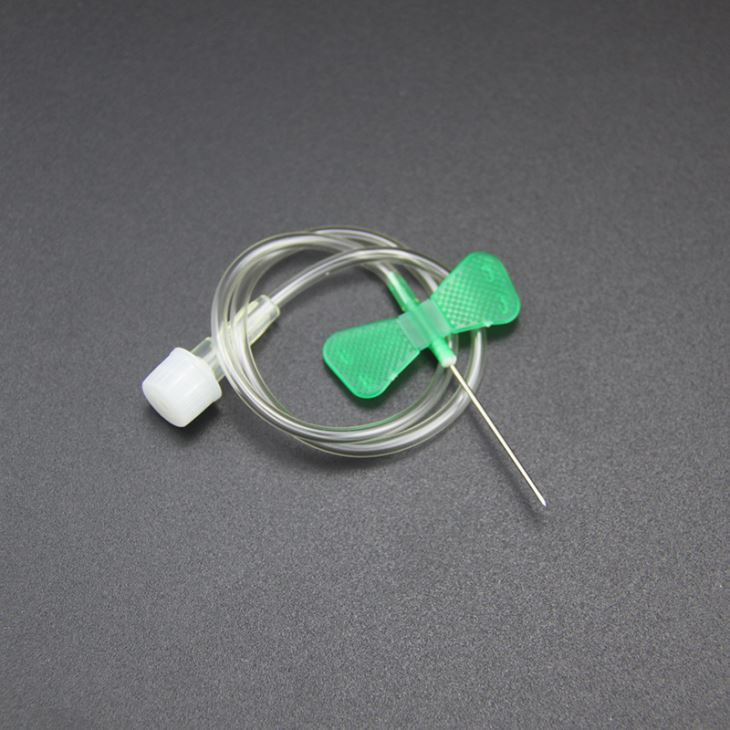
For example, a larger gauge needle might be used for rapid fluid administration, while a smaller gauge is better for more delicate veins or when administering medications that need to be delivered slowly.
Continuing Education
Medical practices are always evolving, and so is the technology related to Scalp Vein Sets. That's why continuing education is so important. You should stay updated on the latest research, best practices, and new products in the market. This can help you provide better care for your patients and make more informed decisions when using Scalp Vein Sets.

As a supplier, I can tell you that having well - trained staff is crucial for the proper use of our Scalp Vein Sets. If you're a healthcare provider looking to improve your team's skills in using these sets, we're here to support you. Whether you need more information about the products or advice on training programs, don't hesitate to reach out. We're always happy to have a chat and see how we can help you with your procurement needs and ensure the best possible patient care.
References
- "Medical - Surgical Nursing: Assessment and Management of Clinical Problems" by Sharon L. Lewis et al.
- "Mosby's Textbook for Nursing Assistants" by Wilkinson and Treas.


