


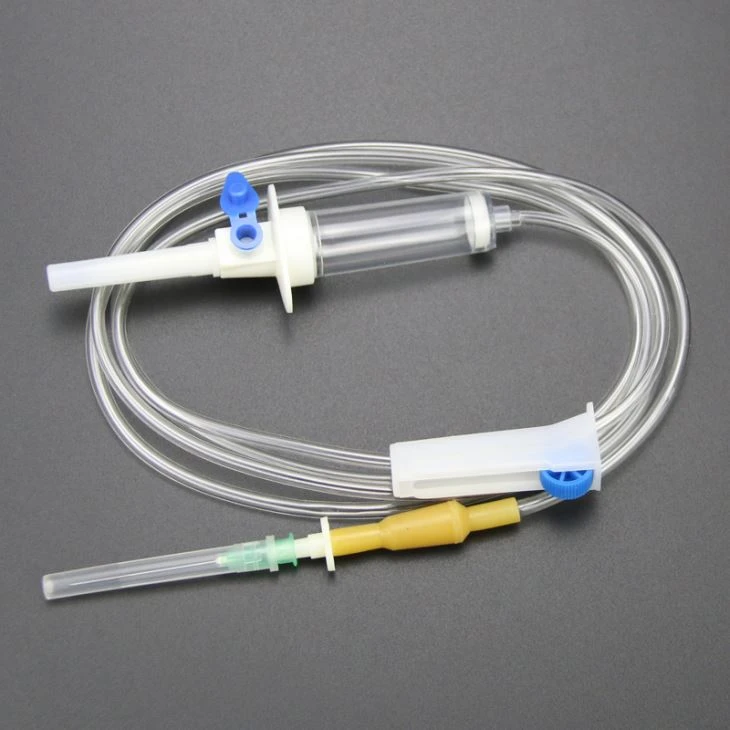
When it comes to medical procedures, the use of an IV Set is a common and crucial practice. As a trusted supplier of high - quality IV Set, I understand the importance of monitoring vital signs during intravenous infusion. This blog will delve into the vital signs that should be closely observed when using an IV Set, providing valuable insights for medical professionals and caregivers.
1. Heart Rate
The heart rate is one of the most fundamental vital signs to monitor during intravenous infusion. An abnormal heart rate can indicate a variety of issues, ranging from a simple reaction to the infused fluid to a more serious medical complication.
When a patient starts receiving an Intravenous Infusion, the body's fluid volume changes. If too much fluid is infused too quickly, it can put extra strain on the heart, leading to an increased heart rate. This is because the heart has to work harder to pump the additional fluid throughout the body. On the other hand, if the patient has an adverse reaction to the medication in the IV, such as an allergic reaction, the heart rate may also spike.
Conversely, a decrease in heart rate could be a sign of over - sedation if the IV contains a sedative medication or a sign of an underlying cardiac issue exacerbated by the infusion. Medical staff should regularly check the heart rate, using a heart rate monitor or by manually palpating the pulse. A normal resting heart rate for adults typically ranges from 60 - 100 beats per minute. Any significant deviation from this range should be investigated promptly.
2. Blood Pressure
Blood pressure is another vital sign that requires close monitoring. Similar to heart rate, changes in blood pressure can be a direct result of the intravenous infusion.

If a large volume of fluid is rapidly infused, it can cause an increase in blood pressure. This is because the extra fluid in the circulatory system increases the pressure on the arterial walls. On the contrary, some medications administered via IV, such as antihypertensive drugs, are designed to lower blood pressure. However, an excessive drop in blood pressure can be dangerous, leading to symptoms like dizziness, fainting, and in severe cases, shock.
Medical professionals should use a blood pressure cuff to measure the patient's blood pressure at regular intervals. A normal blood pressure reading for adults is generally around 120/80 mmHg. Any sudden or significant changes in blood pressure, whether an increase or decrease, should be noted and addressed immediately.
3. Respiratory Rate
The respiratory rate is an important indicator of a patient's well - being during intravenous infusion. Changes in respiratory rate can signal various problems, including fluid overload in the lungs or an adverse reaction to the IV medication.
Fluid overload can occur if the patient is receiving too much fluid too quickly. As the excess fluid accumulates in the lungs, it becomes more difficult for the patient to breathe, leading to an increased respiratory rate. Additionally, some medications in the IV can cause respiratory depression, resulting in a decreased respiratory rate.
A normal respiratory rate for adults is typically between 12 - 20 breaths per minute. Irregularities in the respiratory rate, such as rapid, shallow breathing or slow, labored breathing, should be carefully monitored. In some cases, the use of a pulse oximeter can also provide valuable information about the patient's oxygen saturation levels, which are closely related to respiratory function.
4. Temperature
Monitoring the patient's temperature is essential when using an IV Set. An elevated temperature could be a sign of an infection, which is a serious concern during intravenous infusion. Infections can occur at the insertion site of the IV catheter or as a result of contaminated IV fluids or medications.
If the patient has a fever, it is important to check the IV site for signs of redness, swelling, or discharge. These could be indications of a local infection. Systemic infections, on the other hand, may be more difficult to detect initially but can have severe consequences if left untreated.
A normal body temperature for adults is around 37°C (98.6°F). Any increase in temperature should be investigated, and appropriate measures, such as changing the IV catheter or administering antibiotics, may need to be taken.
5. Oxygen Saturation
Oxygen saturation is a measure of the amount of oxygen in the blood. It is a critical vital sign to monitor during intravenous infusion, especially if the patient has underlying respiratory or cardiac conditions.
A decrease in oxygen saturation can be caused by a variety of factors, including fluid overload in the lungs, a reaction to the IV medication, or an airway obstruction. If the oxygen saturation drops below a certain level, it can lead to hypoxia, which can cause damage to the brain and other vital organs.
Medical staff should use a pulse oximeter to measure the patient's oxygen saturation levels regularly. A normal oxygen saturation level for healthy adults is typically above 95%. If the oxygen saturation drops below 90%, immediate action should be taken to improve oxygenation, such as adjusting the patient's position or providing supplemental oxygen.
6. Level of Consciousness
The patient's level of consciousness is an often - overlooked but crucial vital sign. Changes in the level of consciousness can indicate a serious problem, such as a reaction to the IV medication, fluid and electrolyte imbalances, or a neurological complication.
Some medications in the IV can cause drowsiness or sedation, which is expected in certain cases. However, if the patient becomes overly sedated or loses consciousness, it is a cause for concern. On the other hand, agitation or confusion could also be signs of an underlying issue, such as a reaction to the IV fluid or a developing medical emergency.
Medical professionals should assess the patient's level of consciousness using a standardized scale, such as the Glasgow Coma Scale. Any significant changes in the patient's level of consciousness should be reported and investigated promptly.
Importance of Monitoring in Different Types of IV Sets
It's important to note that different types of IV Sets, such as the Butterfly Infusion Set, may require specific considerations when it comes to vital sign monitoring.
Butterfly infusion sets are often used for short - term or intermittent infusions, such as blood sampling or administering small doses of medication. Due to their smaller size and relatively short - term use, the risk of certain complications, such as fluid overload, may be lower. However, the risk of infiltration (leakage of the IV fluid into the surrounding tissue) is higher with butterfly infusion sets. Monitoring for signs of infiltration, such as swelling, pain, or coolness at the insertion site, is crucial in addition to the standard vital signs.
In contrast, larger - bore IV sets used for rapid fluid resuscitation or continuous infusions may pose a higher risk of fluid - related complications. Therefore, more frequent and vigilant monitoring of vital signs, especially heart rate, blood pressure, and respiratory rate, is necessary.
Conclusion
In conclusion, monitoring vital signs is of utmost importance when using an IV Set. By closely observing heart rate, blood pressure, respiratory rate, temperature, oxygen saturation, and level of consciousness, medical professionals can detect and address potential problems early, ensuring the safety and well - being of the patient.
As a reliable supplier of high - quality IV Sets, we are committed to providing products that meet the highest standards of safety and efficacy. Our IV Sets are designed to minimize the risk of complications and ensure a smooth and successful intravenous infusion process.
If you are in the market for top - notch IV Sets and are interested in learning more about our products, we encourage you to reach out to us for a detailed discussion. We are more than happy to assist you in finding the right IV Sets for your specific needs and to provide any technical support or guidance you may require. Let's work together to improve patient care and safety in the medical field.
References
- Medical - Surgical Nursing: Assessment and Management of Clinical Problems, 11th Edition, by Sharon L. Lewis et al.
- Mosby's Manual of Diagnostic and Laboratory Tests, 5th Edition, by Kathleen Deska Pagana and Timothy James Pagana.


