


In the medical field, surgical tapes play a crucial role in wound care, securing dressings, and providing support. However, there are situations where alternatives to traditional surgical tapes might be needed. As a surgical tapes supplier, I understand the importance of exploring various options to meet the diverse needs of medical professionals and patients.
Reasons for Seeking Alternatives
There are several reasons why one might look for alternatives to surgical tapes. Firstly, some patients may have sensitive skin that reacts to the adhesives used in surgical tapes. The adhesive can cause skin irritation, redness, itching, or even allergic reactions. In such cases, finding a hypoallergenic alternative becomes essential to prevent further discomfort and complications.
Secondly, in certain medical procedures or wound types, the properties of traditional surgical tapes may not be ideal. For example, in areas where flexibility and breathability are crucial, a tape that is too rigid or non - porous may impede the healing process. Additionally, in situations where frequent dressing changes are required, a tape that leaves a strong residue or is difficult to remove can cause pain and damage to the skin.
Alternatives to Surgical Tapes
1. Non Woven Paper Tape
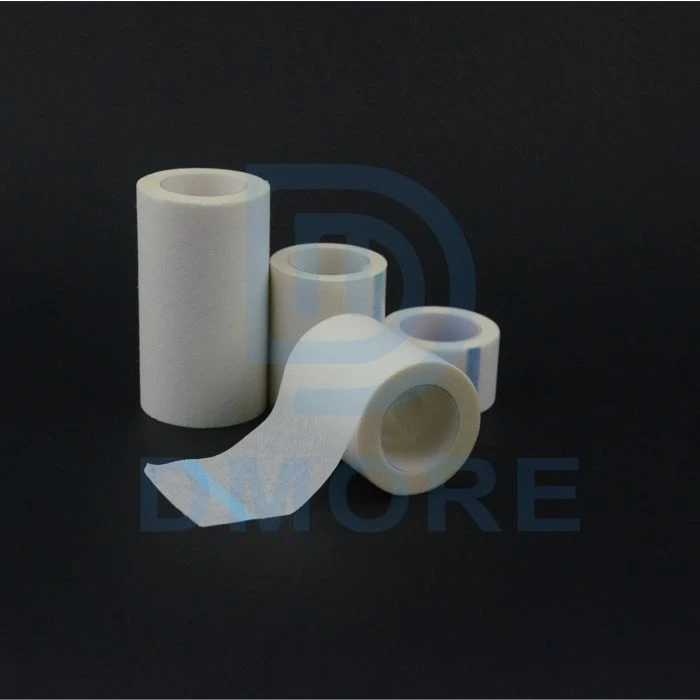
Non Woven Paper Tape is an excellent alternative to traditional surgical tapes. It is made from non - woven paper, which offers several advantages. This type of tape is highly breathable, allowing air to circulate around the wound. This helps in preventing the build - up of moisture, which can lead to bacterial growth and slow down the healing process.
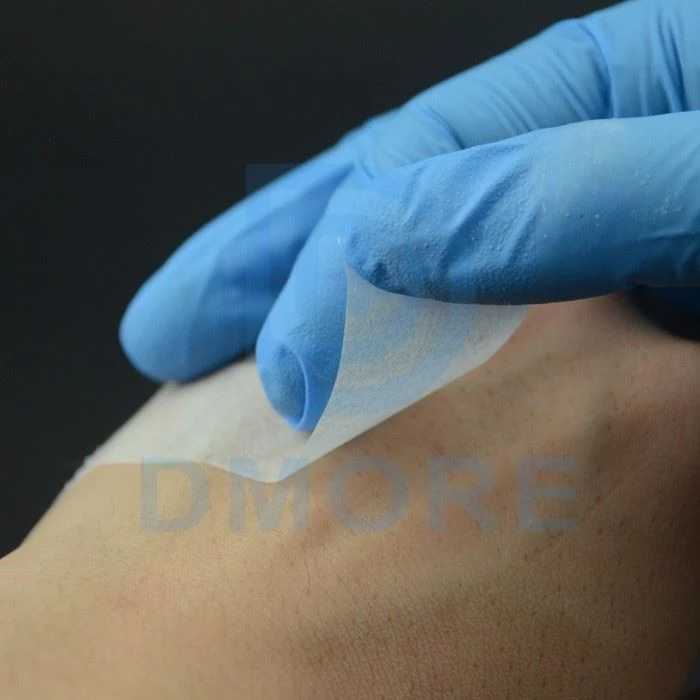
Non woven paper tape is also gentle on the skin. The adhesive used is usually designed to be hypoallergenic, making it suitable for patients with sensitive skin. It can be easily removed without causing excessive pain or damage to the skin, which is particularly important for patients with fragile or newly healed skin. Moreover, it has good conformability, meaning it can be easily shaped to fit different body contours, such as joints or curved areas.
2. Aperture Adhesive Plaster
For more specific applications, Aperture Adhesive Plaster is a great option. This type of plaster has small holes or apertures throughout its surface. These apertures allow for better ventilation and drainage of wound exudate. In wounds that produce a significant amount of fluid, the apertures prevent the fluid from getting trapped under the plaster, reducing the risk of infection and promoting a healthier healing environment.
Aperture adhesive plaster provides a secure hold while still being relatively easy to remove. It can be used in a variety of medical settings, from minor cuts and abrasions to more complex surgical wounds. The design of the apertures also helps in reducing the overall contact area between the plaster and the skin, which can further minimize the risk of skin irritation.
3. Zinc Oxide Plaster
Zinc Oxide Plaster is another alternative that has been used in the medical field for a long time. Zinc oxide has natural antiseptic and soothing properties. This plaster is often used for its ability to protect the skin and promote healing. It forms a protective barrier over the wound, preventing external contaminants from entering and reducing the risk of infection.
Zinc oxide plaster is known for its strong adhesive properties, which make it suitable for securing dressings in place, especially in areas where there is a lot of movement. However, it is important to note that for patients with extremely sensitive skin, a test patch may be recommended before full - scale use, as the adhesive can still cause a mild reaction in some individuals.
Comparing Alternatives with Traditional Surgical Tapes
When comparing these alternatives with traditional surgical tapes, it is important to consider the specific requirements of the medical situation. Traditional surgical tapes are often made of plastic or fabric materials with a strong adhesive. They are generally very effective in providing a secure hold, which is essential for large dressings or in areas where there is a lot of movement.
However, as mentioned earlier, they may lack breathability and can be harsh on sensitive skin. The alternatives, on the other hand, offer better breathability, reduced skin irritation, and in some cases, additional benefits such as antiseptic properties or improved drainage.
In terms of cost, the alternatives may vary. Non woven paper tape and aperture adhesive plaster are often competitively priced, and in some cases, may even be more cost - effective in the long run due to reduced skin - related complications. Zinc oxide plaster may be slightly more expensive, but its additional benefits in terms of wound protection and healing can justify the cost in certain situations.
Choosing the Right Alternative
The choice of the right alternative to surgical tapes depends on several factors. The type of wound is a crucial consideration. For dry, superficial wounds, a non woven paper tape may be sufficient to hold the dressing in place while allowing the skin to breathe. For wounds with a lot of exudate, an aperture adhesive plaster would be more appropriate.
Patient factors also play a significant role. As mentioned, patients with sensitive skin will benefit from hypoallergenic options such as non woven paper tape or certain types of aperture adhesive plasters. The location of the wound on the body is another factor. For joints or areas with a lot of movement, a tape or plaster with good conformability and a strong hold, like zinc oxide plaster, may be needed.
Conclusion
In conclusion, while surgical tapes are a staple in the medical field, there are indeed viable alternatives that can address specific needs and challenges. Non Woven Paper Tape, Aperture Adhesive Plaster, and Zinc Oxide Plaster offer unique advantages in terms of breathability, skin - friendliness, and wound management.
As a surgical tapes supplier, I am committed to providing a wide range of products to meet the diverse needs of the medical community. Whether you are a healthcare provider looking for the best solution for your patients or a distributor seeking high - quality products, I invite you to contact me to discuss your requirements and explore the options available. Together, we can ensure that the right product is used for the right situation, leading to better patient outcomes.
References
- Smith, J. (2018). Wound Care Basics. Medical Journal of Wound Management, 12(3), 45 - 52.
- Johnson, A. (2019). Alternatives to Traditional Surgical Tapes. Journal of Advanced Medical Supplies, 7(2), 67 - 74.
- Brown, C. (2020). Skin Sensitivity and Medical Adhesives. Dermatology Research and Practice, 15(4), 89 - 96.


