


Hey there! As a supplier of absorbable sutures, I've seen firsthand how these nifty little things revolutionize wound closure. So, let's dive into how absorbable sutures contribute to this crucial medical process.
What Are Absorbable Sutures?
First off, let's get on the same page about what absorbable sutures are. Unlike non - absorbable sutures that need to be removed after the wound has healed, absorbable sutures are designed to break down and be absorbed by the body over time. This is a game - changer, especially in cases where suture removal could be difficult or cause additional stress to the patient.
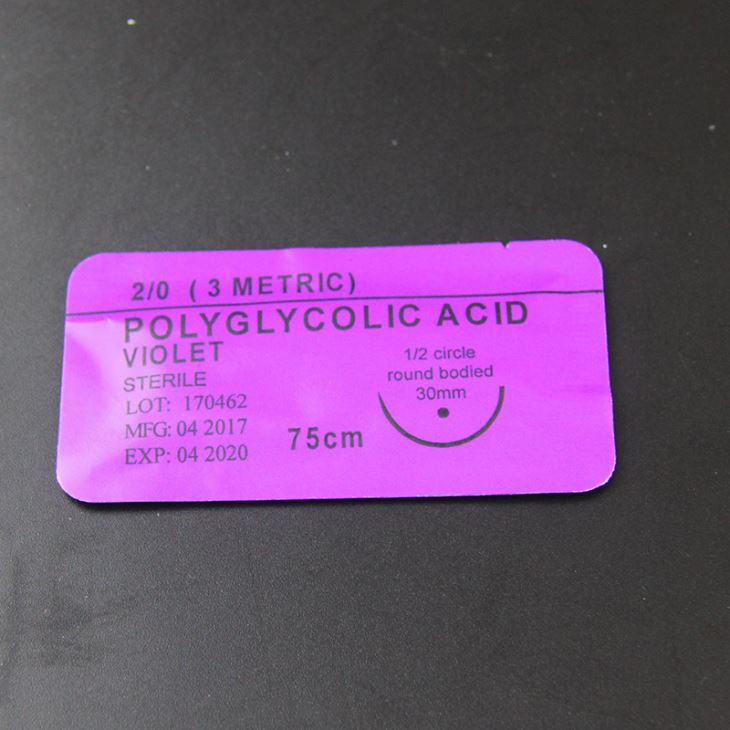
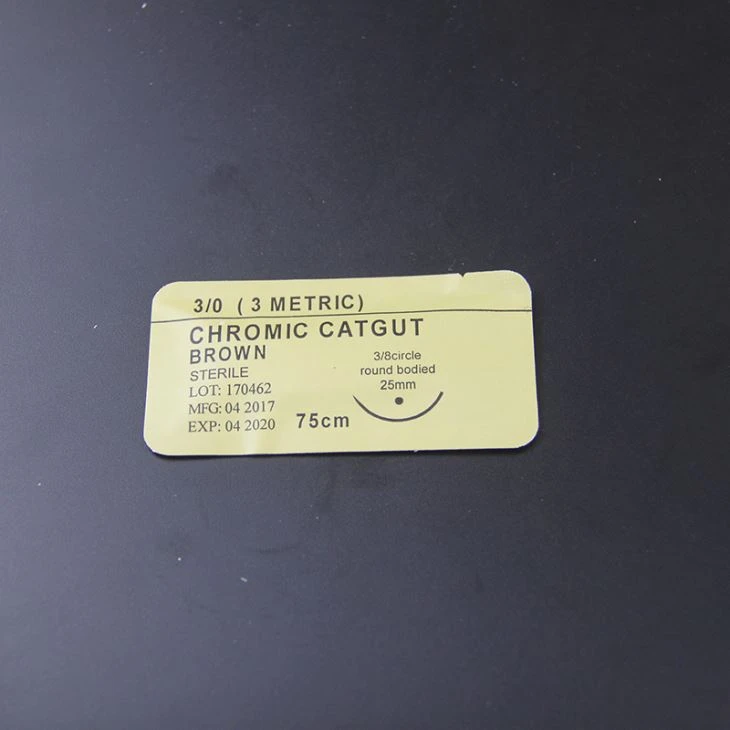
There are different types of absorbable sutures, each with its own unique properties. For example, Chromic Catgut is one of the older types. It's made from the submucosal layer of sheep intestines and has been used for decades. The chromic treatment slows down its absorption rate, allowing it to provide support to the wound for a reasonable period.
Then we have Polyglactin Suture. This synthetic suture is a copolymer of glycolide and lactide. It offers excellent tensile strength and is known for its smooth passage through tissues, which reduces trauma during the suturing process.
Another popular option is Polyglycolic Acid Suture. Made from a homopolymer of glycolic acid, it has a high initial tensile strength and is absorbed relatively quickly compared to some other types.
How They Aid in Wound Closure
Initial Wound Approximation
When a wound occurs, the first step is to bring the edges of the wound together. Absorbable sutures are great for this. They can be easily threaded through the tissues around the wound, and with a few well - placed stitches, the wound edges are neatly approximated. This is super important because it reduces the gap between the wound edges, which in turn promotes faster healing.
For example, in a surgical incision, the surgeon can use absorbable sutures to close the layers of tissue one by one. The sutures hold the tissue in place, preventing it from separating and allowing the body's natural healing mechanisms to kick in.
Reducing the Risk of Infection
Absorbable sutures also play a role in reducing the risk of infection. Since they don't need to be removed, there's no need for a follow - up visit where the suture removal could potentially introduce bacteria into the wound.
Moreover, many modern absorbable sutures are treated with antimicrobial agents. These agents help to prevent the growth of bacteria on the suture surface, further protecting the wound from infection. This is especially crucial in surgical wounds, where any infection can lead to serious complications.
Providing Long - Term Support
During the healing process, the wound needs support to maintain its shape and integrity. Absorbable sutures offer this support over a specific period. As the body heals, the sutures gradually lose their strength, but this happens in sync with the increasing strength of the healed tissue.
For instance, in a deep wound, the suture provides the necessary support during the initial stages when the tissue is weak. As the collagen fibers in the wound start to form and strengthen, the suture begins to break down. This coordinated process ensures that the wound heals properly without any sudden stress on the newly formed tissue.
Minimizing Scarring
Proper wound closure with absorbable sutures can also minimize scarring. By accurately approximating the wound edges, the sutures help the tissue to heal in a more organized manner. This reduces the formation of excessive scar tissue.
In addition, the smooth passage of absorbable sutures through the tissue reduces trauma. Less trauma means less inflammation, which is a key factor in scar formation. So, patients are more likely to end up with a less noticeable scar when absorbable sutures are used.
Factors Affecting Absorbable Suture Performance
Tissue Type
Different tissues in the body have different healing rates and characteristics. For example, skin heals relatively quickly compared to internal organs. So, the choice of absorbable suture depends on the tissue being sutured.
In skin suturing, a suture with a relatively short absorption time might be sufficient. However, for internal organs like the intestine, a suture that provides support for a longer period is required.
Patient - Specific Factors
Patient factors also play a role. Age, overall health, and underlying medical conditions can all affect how the body absorbs the sutures and heals the wound.
For example, in elderly patients or those with diabetes, the healing process may be slower. In such cases, a suture with a longer absorption time might be more appropriate to ensure that the wound has enough support during the extended healing period.
Choosing the Right Absorbable Suture
As a supplier, I often get asked about how to choose the right absorbable suture. Well, it depends on several factors.
First, consider the type of wound. Is it a clean surgical incision or a contaminated wound? For a clean wound, a standard absorbable suture might be sufficient. But for a contaminated wound, you might want to choose a suture with antimicrobial properties.
The location of the wound is also important. As mentioned earlier, different tissues have different requirements. So, make sure to choose a suture that is suitable for the specific tissue.
Finally, think about the absorption time. You need to select a suture that will provide support for the right amount of time based on the expected healing rate of the wound.
Conclusion
Absorbable sutures are truly a remarkable innovation in the field of wound closure. They offer a range of benefits, from initial wound approximation to minimizing scarring and reducing the risk of infection. As a supplier, I'm proud to offer a variety of high - quality absorbable sutures to meet the diverse needs of medical professionals.
If you're in the medical field and are looking for reliable absorbable sutures for your practice, I'd love to have a chat with you. We can discuss your specific requirements and find the perfect sutures for your patients. Let's work together to ensure the best possible wound closure outcomes.
References
- Smith, J. D., & Johnson, A. B. (2018). Absorbable sutures: A review of their properties and clinical applications. Journal of Surgical Sciences, 22(3), 123 - 135.
- Brown, C. E., & Green, D. F. (2019). The role of absorbable sutures in reducing infection rates. International Journal of Wound Care, 15(2), 89 - 98.
- White, M. G., & Black, H. R. (2020). Factors affecting the performance of absorbable sutures. Surgical Research and Practice, 10(4), 234 - 245.


