


In the medical field, needles are indispensable tools, playing a crucial role in various medical procedures such as blood collection, injection, and insulin delivery. When it comes to medical needles, there are two main types: disposable and reusable. As a professional medical needle supplier, I have in - depth knowledge of the differences between these two types, which I will elaborate on in this blog.
1. Design and Manufacturing
Disposable medical needles are designed for single - use. They are typically mass - produced in large quantities using automated manufacturing processes. The materials used for disposable needles are often of high - quality, such as stainless steel for the needle part and plastic for the hub. For example, our Blood Lancet Stainless Steel is made of high - grade stainless steel, which ensures sharpness and durability for a single puncture. The manufacturing process of disposable needles is strictly regulated to meet the high standards of sterility. They are usually pre - sterilized using methods like gamma radiation or ethylene oxide gas, which kills all microorganisms on the needle surface.
On the other hand, reusable medical needles are designed to withstand multiple uses. They are often made of more robust materials and have a more complex design. Reusable needles may require additional parts for disassembly and cleaning. For instance, some reusable syringes with needles have components that can be easily taken apart for thorough cleaning and sterilization. However, the manufacturing process of reusable needles needs to ensure that the materials can withstand repeated sterilization without significant degradation.
2. Sterility and Infection Risk
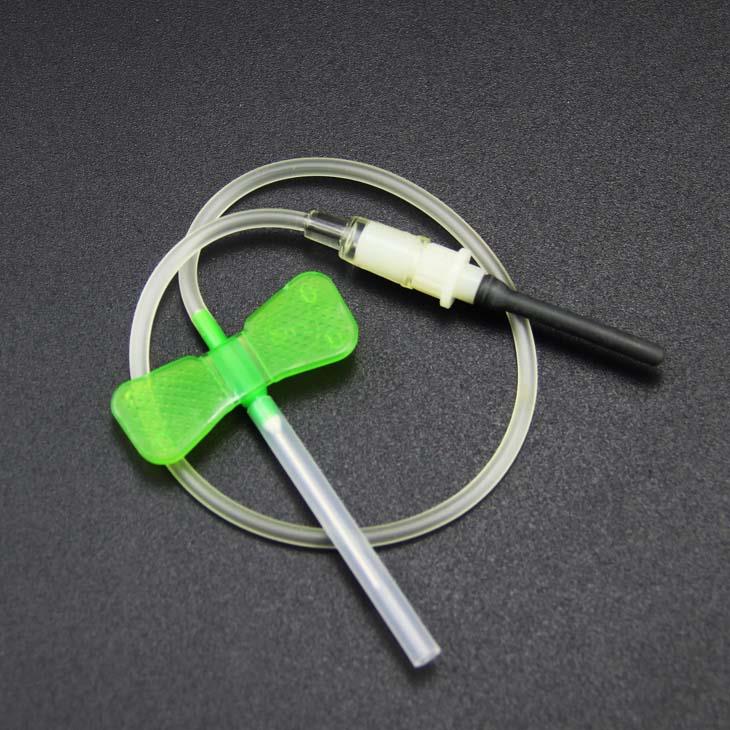
One of the most significant differences between disposable and reusable medical needles lies in sterility and the associated infection risk. Disposable needles are designed to be used once and then discarded. This single - use design significantly reduces the risk of cross - infection. Since they are pre - sterilized and used only once, there is no chance of transmitting pathogens from one patient to another. For example, in a busy hospital setting, using disposable Butterfly Needle for blood collection ensures that each patient gets a brand - new, sterile needle, minimizing the risk of blood - borne infections such as hepatitis B, hepatitis C, and HIV.
Reusable needles, however, rely on proper cleaning and sterilization procedures between uses. If these procedures are not carried out correctly, there is a high risk of infection. The process of cleaning reusable needles involves multiple steps, including soaking, scrubbing, and autoclaving. Any oversight in these steps can leave behind bacteria, viruses, or other pathogens. For example, if a reusable needle is not properly cleaned after being used on a patient with a bacterial infection, the next patient using the same needle may contract the infection.
3. Cost - effectiveness
The cost - effectiveness of disposable and reusable medical needles depends on various factors. In the short term, disposable needles may seem more expensive. You need to purchase a new needle for each use. However, when considering the overall cost, including the cost of cleaning, sterilization, and the potential cost of treating infections caused by improper sterilization of reusable needles, disposable needles can be more cost - effective.
For small - scale medical facilities or home use, the convenience of disposable needles often outweighs the initial cost. For example, patients with diabetes who need to inject insulin regularly often prefer Insulin Needle that are disposable. They don't have to worry about the complex process of cleaning and sterilizing reusable needles.
Reusable needles, on the other hand, have a higher upfront cost but can be used multiple times. In large - scale medical institutions with well - established sterilization facilities, reusable needles may be more cost - effective in the long run. However, this requires a significant investment in sterilization equipment and trained personnel to ensure proper cleaning and sterilization.
4. Environmental Impact
The environmental impact is another important aspect to consider when comparing disposable and reusable medical needles. Disposable needles generate a large amount of medical waste. Since they are discarded after a single use, they contribute to the growing problem of medical waste disposal. Medical waste needs to be properly managed to prevent environmental contamination and the spread of diseases. Improper disposal of disposable needles can lead to needle - stick injuries and the release of harmful substances into the environment.
Reusable needles, in contrast, generate less waste. By using the same needle multiple times, the amount of medical waste is significantly reduced. However, the process of cleaning and sterilizing reusable needles consumes energy and water. Additionally, the chemicals used in the sterilization process may have an environmental impact if not properly managed.
5. User Convenience
Disposable needles offer great convenience to users. They are ready to use right out of the package. There is no need for any additional preparation, such as cleaning or sterilization. This makes them ideal for home use, emergency situations, and settings where time is of the essence. For example, in a first - aid kit, disposable needles are the preferred choice as they can be used immediately without any prior setup.
Reusable needles, however, require more effort from the user. Before each use, they need to be properly cleaned and sterilized, which can be a time - consuming process. Moreover, the user needs to have the necessary knowledge and skills to perform these procedures correctly. This may limit the use of reusable needles in some situations, especially for patients who are not well - trained in medical procedures.

6. Regulatory Requirements
Both disposable and reusable medical needles are subject to strict regulatory requirements. Disposable needles need to meet high standards of sterility and safety. Regulatory agencies around the world, such as the Food and Drug Administration (FDA) in the United States, have specific guidelines for the manufacturing, packaging, and labeling of disposable medical needles. These guidelines ensure that the needles are safe for single - use and do not pose any health risks to patients.
Reusable needles also have their own set of regulatory requirements. The cleaning and sterilization processes need to be validated to ensure that the needles are free from pathogens after each cycle. Regulatory bodies may require medical institutions to keep detailed records of the cleaning and sterilization procedures for reusable needles.
In conclusion, both disposable and reusable medical needles have their own advantages and disadvantages. Disposable needles offer high sterility, convenience, and low infection risk, but they generate more waste and may be more expensive in the short term. Reusable needles can be cost - effective in the long run and have a lower environmental impact, but they require proper cleaning and sterilization to ensure safety.
As a medical needle supplier, we understand the diverse needs of our customers. We offer a wide range of both disposable and reusable medical needles to meet different requirements. Whether you are a large - scale hospital, a small - scale clinic, or an individual patient, we have the right needle for you. If you are interested in purchasing medical needles, please feel free to contact us for more information and to start a procurement negotiation. We are committed to providing high - quality products and excellent service to our customers.
References
- World Health Organization. (2019). Guidelines on injection safety.
- Food and Drug Administration. (2020). Medical device regulations related to needles.
- Centers for Disease Control and Prevention. (2018). Best practices for preventing infections associated with medical needles.


