


Over the years, the design of I.V. cannulas has undergone some pretty amazing changes. As an I.V. Cannula supplier, I've seen firsthand how these advancements have revolutionized the medical field. Let's take a look at how the design of I.V. cannulas has evolved over time.
The Early Days
Back in the old days, I.V. cannulas were a far cry from what we have today. The first I.V. devices were actually quite simple and rudimentary. They were made of materials like metal, which were not very flexible. These early metal cannulas were often large and cumbersome, and they posed a high risk of causing damage to the veins.
Patients who had these early I.V. cannulas inserted often experienced a lot of pain and discomfort. The metal needles were also prone to causing blood vessel wall damage, which could lead to complications such as thrombosis. And because they were not very flexible, it was difficult to keep them in place for an extended period of time.
The Introduction of Plastic
One of the biggest game - changers in the evolution of I.V. cannulas was the introduction of plastic materials. Plastic cannulas were much more flexible than their metal counterparts. This flexibility made them easier to insert into the veins and reduced the risk of vein damage.
The use of plastic also allowed for the development of smaller - gauge cannulas. Smaller - gauge I.V. cannulas are less invasive and cause less pain to the patient. They can also be left in place for longer periods, which is great for patients who need continuous I.V. therapy.
As a supplier, we started to see a huge demand for these plastic I.V. cannulas. Hospitals and medical facilities were eager to switch from the old - fashioned metal ones to the new, more patient - friendly plastic versions. And it's easy to see why. Patients were happier, and there were fewer complications associated with the use of plastic cannulas.
Safety Features
As time went on, safety became a major concern in the design of I.V. cannulas. In the past, there was a significant risk of needlestick injuries for healthcare workers. These injuries could lead to the transmission of blood - borne pathogens such as hepatitis B, hepatitis C, and HIV.
To address this issue, manufacturers started to develop I.V. cannulas with safety features. One of the most common safety features is the retractable needle. After the cannula is inserted into the vein, the needle can be retracted into a protective sheath, reducing the risk of accidental needlestick injuries.
Another safety feature is the blunt - tip needle. Blunt - tip needles are designed to minimize the risk of tissue damage during insertion. They are also less likely to cause needlestick injuries compared to traditional sharp needles.
At our company, we offer a variety of I.V. cannulas with these safety features. We understand the importance of protecting healthcare workers, and we're committed to providing products that meet the highest safety standards.
Improved Design for Easier Insertion
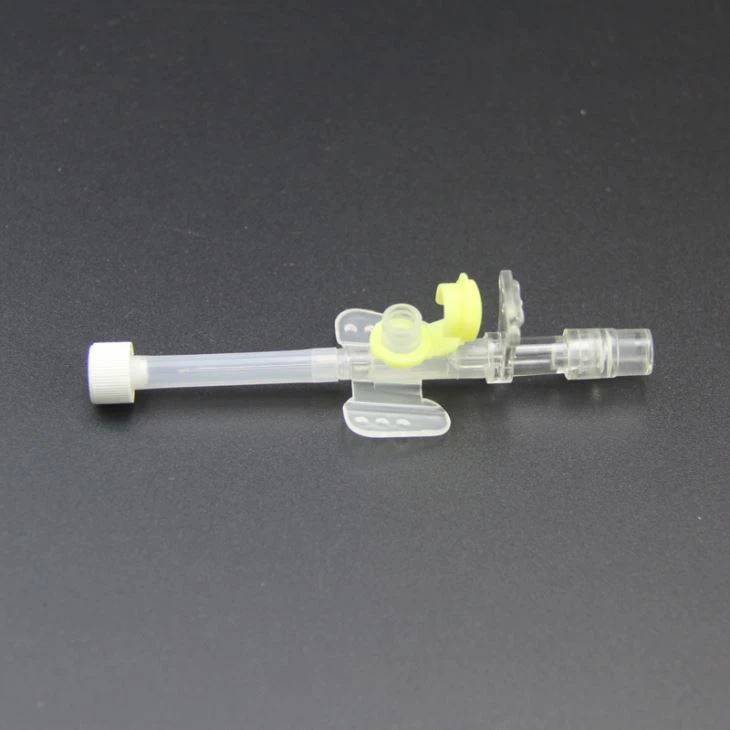
In addition to safety features, modern I.V. cannulas are designed for easier insertion. For example, some cannulas come with a flashback chamber. The flashback chamber allows healthcare workers to see when the needle has entered the vein. This makes it easier to confirm proper placement and reduces the number of attempts needed to insert the cannula.
There are also cannulas with winged designs. The wings on these cannulas provide a better grip for the healthcare worker during insertion. They also help to secure the cannula in place once it's inserted.
As a supplier, we know that healthcare workers are always looking for products that are easy to use. That's why we stock a wide range of I.V. cannulas with these user - friendly design features.
Compatibility with Different Fluids and Medications
Another area where the design of I.V. cannulas has evolved is in their compatibility with different fluids and medications. In the past, some I.V. cannulas were not suitable for use with certain types of fluids or medications. They could react with the substances being infused, leading to clumping or other problems.
Today, manufacturers have developed I.V. cannulas that are made from materials that are compatible with a wide range of fluids and medications. This means that healthcare providers can use the same cannula for different types of therapies, which simplifies the treatment process.
We offer a selection of IV Needle and Cannula Needle that are designed to be compatible with various fluids and medications. This gives our customers the flexibility they need to provide the best possible care to their patients.
Specialized Designs
In recent years, there has been a trend towards specialized I.V. cannula designs. For example, there are now cannulas that are specifically designed for pediatric patients. These pediatric cannulas are smaller in size and are designed to be less intimidating for children. They also have features that are tailored to the unique needs of pediatric veins.
There are also cannulas for difficult - to - access veins. These cannulas are often longer and more flexible, allowing them to reach veins that are deeper or more difficult to visualize.
As a supplier, we recognize the importance of having a diverse product range. That's why we carry a variety of specialized IV Catheter to meet the different needs of our customers.

The Future of I.V. Cannula Design
So, what does the future hold for the design of I.V. cannulas? Well, I think we can expect to see even more advancements in the areas of safety, ease of use, and compatibility.
There may be further developments in materials science, leading to even more flexible and biocompatible cannulas. We might also see the integration of smart technology into I.V. cannulas. For example, sensors could be built into the cannulas to monitor the flow of fluids, the condition of the vein, or the patient's vital signs.
As a supplier, we're excited to be a part of this ongoing evolution. We're always on the lookout for the latest and greatest products to offer our customers.
Conclusion
The evolution of I.V. cannula design has come a long way. From the early, bulky metal cannulas to the modern, patient - and healthcare - worker - friendly versions we have today, the changes have been remarkable.
If you're in the market for high - quality I.V. cannulas, we're here to help. We offer a wide range of products with the latest design features and safety enhancements. Whether you're a hospital, a clinic, or a home - care provider, we have the I.V. cannulas that meet your needs. Contact us today to start a conversation about your I.V. cannula requirements and let's work together to provide the best care for your patients.
References
- "Medical Device Technology: A Review of Intravenous Cannula Design and Function" - Journal of Medical Innovations
- "The Evolution of I.V. Therapy: From Ancient Times to the Modern Era" - International Journal of Nursing Practice


