


Hey there! As a supplier of Kinesio Tape, I've seen firsthand how this amazing product can offer relief and support, especially when it comes to the back. In this blog, I'm gonna walk you through how to apply Kinesio Tape on the back, step by step.
Why Use Kinesio Tape on the Back?
Before we dive into the application process, let's quickly chat about why you might want to use Kinesio Tape on your back. Back pain is super common, whether it's from a long - day at work, a strenuous workout, or just general wear and tear. Kinesio Tape can help in a few ways. It can provide support to the muscles, reduce pain by lifting the skin and relieving pressure on the nerves, and improve blood circulation in the area. It's like having a little extra support system right on your back!
What You'll Need
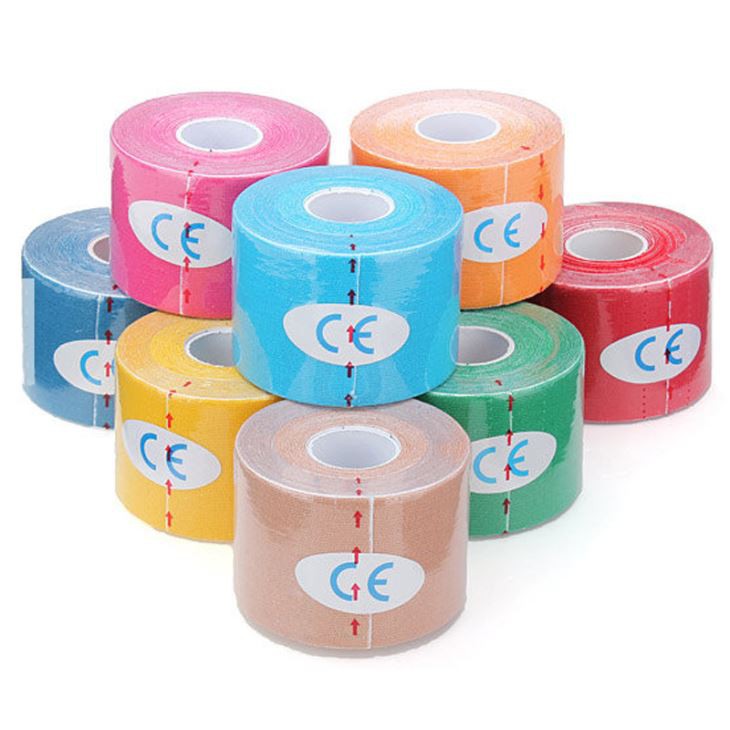
First things first, gather your supplies. You'll need a roll of Kinesiology Tape. Make sure it's the right width for your back. Usually, a 2 - inch wide tape works well for most applications on the back. You'll also need a pair of scissors to cut the tape to the right length. And of course, a clean and dry back! It's important to clean the area where you'll be applying the tape to ensure good adhesion.
Preparing the Back
Start by taking a shower or using a damp cloth to clean the back. Make sure to remove any dirt, oil, or sweat. Dry the area thoroughly with a towel. You can also use an alcohol wipe to further clean and degrease the skin, which will help the tape stick better. Avoid using lotions, creams, or powders on the back before applying the tape, as these can prevent the tape from adhering properly.
Measuring and Cutting the Tape
Now, let's get the tape ready. For a basic back application, you'll typically need a long strip of tape. Measure the length of the area on your back that you want to support. You can do this by laying the tape along the back, following the curve of the spine or the direction of the muscle you're targeting. Leave a little extra length at each end for easier application. Once you've measured, use the scissors to cut the tape.
Applying the Anchor
The first step in applying the tape is to create an anchor. An anchor is a small piece of tape that is applied without any stretch. Cut a small piece of tape, about 1 - 2 inches long. Place this piece at the top or bottom of the area you're taping. For example, if you're taping along the side of the spine, place the anchor at the base of the neck or the top of the lower back. Press the anchor firmly onto the skin, making sure it's smooth and there are no wrinkles.

Stretching and Applying the Tape
Now comes the stretch part. Hold the end of the tape near the anchor with one hand. With your other hand, gently stretch the tape about 25 - 50% of its original length. The amount of stretch depends on your comfort level and the support you need. As you stretch the tape, slowly place it onto the back, following the curve of the spine or the muscle. Press the tape onto the skin as you go, making sure it adheres well. Try to keep the tape as straight as possible.
Releasing the Stretch
Once you've applied most of the tape, it's time to release the stretch. Hold the end of the tape with one hand and slowly release the stretch with the other. As you release the stretch, the tape will contract and start to provide support. Press the tape firmly onto the skin one last time to ensure good adhesion.
Finishing Touches
After applying the main strip of tape, you can add additional strips for more support if needed. You can cut smaller strips and apply them at different angles to target specific muscles or areas. For example, you can apply diagonal strips to support the oblique muscles in the back. Once you've applied all the tape, rub the tape gently with your hands to activate the adhesive. This will help the tape stick better and last longer.
Different Back Conditions and Applications
Lower Back Pain
If you're dealing with lower back pain, you can apply the tape in a way that supports the lumbar muscles. Start by applying an anchor at the top of the lower back, near the base of the spine. Then, stretch the tape down towards the hips, following the direction of the lumbar muscles. You can also add some cross - strips for extra support.
Upper Back Pain
For upper back pain, place the anchor at the base of the neck. Stretch the tape down towards the middle of the back, following the trapezius and rhomboid muscles. You can apply multiple strips side by side to cover a larger area.
Posture Support
If you're using the tape for posture support, you can apply it along the sides of the spine. Start with an anchor at the base of the neck and stretch the tape down towards the lower back. This can help pull the shoulders back slightly and improve your posture.
Tips and Tricks
- If the tape starts to curl up at the edges, you can use a little bit of tape adhesive spray to re - activate the adhesive.
- Avoid getting the tape wet for the first 24 hours after application. If you do get it wet, pat it dry gently with a towel.
- Don't leave the tape on for more than a few days at a time. Remove it carefully to avoid skin irritation.
Removing the Tape
When it's time to remove the tape, do it slowly and gently. Start by peeling the tape back at a 45 - degree angle, against the direction of hair growth. You can also use baby oil or olive oil to help loosen the tape. Apply the oil to the edges of the tape and let it soak in for a few minutes before removing the tape.
Conclusion
Applying Kinesio Tape on the back can be a great way to get some relief from pain and support your muscles. Whether you're an athlete, someone with a sedentary job, or just dealing with general back issues, Kinesio Tape can be a useful tool. If you're interested in purchasing high - quality Kinesio Tape, we're here to help. We offer a wide range of Physio Tape and Kt Tape Knee products. If you have any questions or want to discuss your specific needs, feel free to reach out to us for a procurement discussion.
References
- Kinesiology Taping Association International. (2023). Kinesiology Taping Manual.
- American Physical Therapy Association. (2022). Guide to Physical Therapy for Back Pain.


